Lickedspoon blog

Happy, happy Easter

Every Good Friday, our friend Richard throws my favourite party of the year: The Easter Jamboree. He and Emma started this tradition a dozen or so years ago for the waifs and strays left in London for the holiday and it has grown so much that up to 50 of us now stay in the city to join the festivities each spring. We take over a first-floor terrace restaurant in Covent Garden for rosé and steak frites, gossip and occasional scandal. What starts as lunch usually ends up in a bar somewhere. This year, 1am found us in Richard’s flat with Séan teaching our Spanish friend Alex to do the Eightsome Reel while I raided the fridge to rustle up spring onion and salmon frittata for the dozen or so merry survivors.

After such a great party, a post mortem is essential. We usually have a lunch here on Easter Sunday where newspapers are read, champagne is drunk and the various levels of wickedness displayed on Friday are dissected in near-forensic detail. Who fell of a chair? Who ran off with that cute waiter? Did anyone break a glass, a limb, a heart?

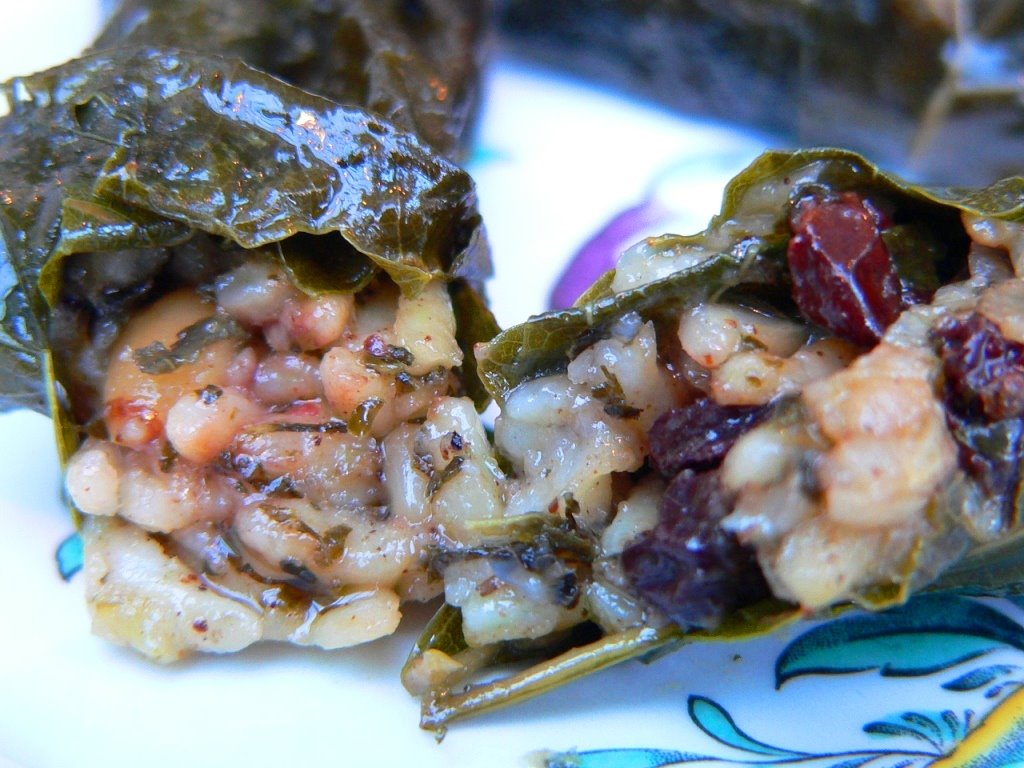
I spent Saturday in the gently soothing activity of preparing the feast for the following day – hummus and lebneh balls dipped in smoked paprika and toasted sesame seeds, platters of salami, and my first-ever dolma. I spent a happy few hours soaking and filling vine leaves. Sometimes the world – or at least the television schedulers – are kind, so I sat at my kitchen counter and rolled my vine leaves while watching My Big Fat Greek Wedding. As they simmered on the stove, they filled the house with their reviving and comforting lemony, spicy aroma.
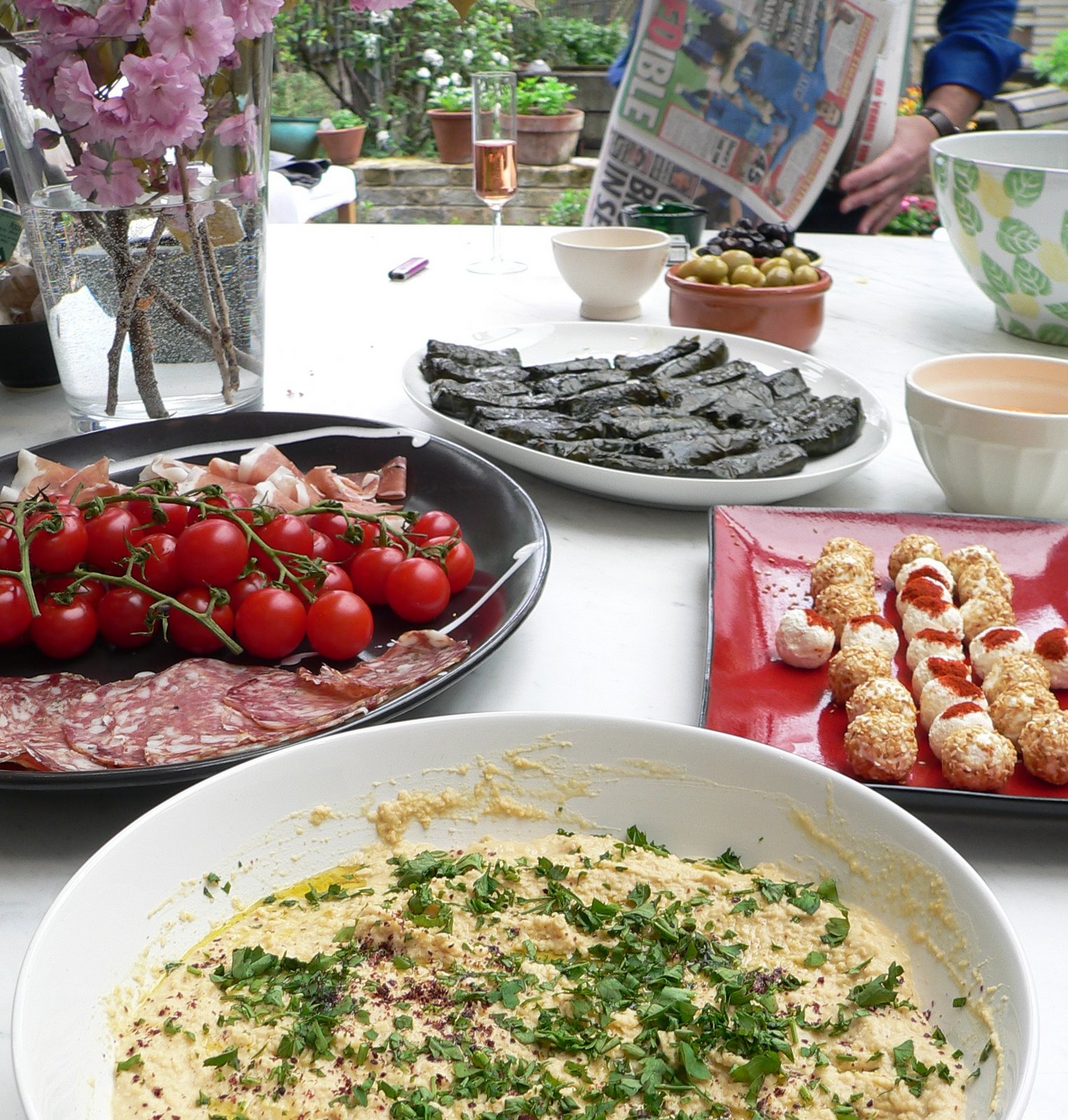

After our Mediterranean canapés, we reverted to trad English for our main course: the tenderest Poll Dorset Spring Lamb from the Thoroughly Wild Meat Company which I seasoned and rubbed with butter and then simply roasted on a bed of rosemary, chopped onion and wet garlic, along with roasted asparagus from the Wye Valley and sweet, boiled Jersey Royals. For pudding, we devoured a strawberry and chocolate roulade and the heavenly Lemon Meringue Bombe from the Unconfidential Cook’s blog.


As we kissed the last of our 15 friends goodbye at 11pm, I was delighted that they’d come, thrilled they’d enjoyed themselves, but secretly excited that they’d left us with just enough lamb to fill a couple of pitas with the last scraps and some scrambled eggs and chopped mint for supper today.

Dolma In the 11 years I’ve lived in this part of London, I must have eaten enough stuffed vine leaves to stretch all the way along Green Lanes and back, from the Turkish part where they’re called dolma to the Greek end where they’re known as dolmades. But I’ve never made them. Seeing a vine press in the Turkish Food Centre pushed me over the edge from consumer to creator.

A 750g package of pickled vine leaves, soaked in warm water for 10 minutes then drained, stalks cut off

125ml olive oil
2-3 onions, finely diced
50g pine nuts
250g short-grain rice
50g currants
1tbsp dried mint
1 tsp allspice
½ tsp ground cinnamon
1 ½ tbsps lemon salt *
250ml chicken stock
1 tomato, grated
A good-sized bunch of parsley, stalks removed then finely chopped
2tbsps finely chopped, fresh dill
1 small lemon, sliced
Freshly ground black pepper

*You can find tangalicious lemon salt in Mediterranean supermarkets. If you can’t get hold of any, use a teaspoon or so of ordinary salt and the juice of half a lemon.

Warm half of the olive oil in a large frying pan over a medium-low heat and sauté the onions until soft and translucent, about 15 minutes. Add the pine nuts and fry until they begin to turn golden. Add the rice and fry, stirring, for about 5 minutes until the rice is well coated in the oil. Add the currants, spices, dried mint and lemon salt, stir and pour in half of the chicken stock and simmer gently until most of the liquid is absorbed. Add the rest of the stock and simmer again, stirring quite frequently, until it is absorbed. Remove from the heat and add the grated tomato, fresh herbs and a good few grinds of black pepper. Cool.

Line a large, heavy casserole with a good layer of vine leaves (check through the ones you’ve soaked. They’ll inevitably be a few that are too small or torn – use those.) and a couple of slices of lemon.


Now, let the rolling extravaganza begin. Place a leaf in front of you, vein side up and the broadest part of the leaf facing you. Put a spoonful of the mixture about 1cm up from the base of the leaf. Fold over once, then fold in the sides and roll. I was daunted by warnings of not overfilling the leaves in case they split while cooking, so mine were a little thin. A think a good, rounded tablespoon of filling would be perfect. Line the base of the casserole with a layer of stuffed vine leaves, packing them in quite tightly. Place a couple of slices of lemon on top and make your next layer. Keep rolling and layering until you’ve used up all of your leaves and rice mixture. Pour over the rest of the olive oil and about 300ml of boiling water. Put a vine leaf press or a plate on top of your dolma to stop them bobbing around in the liquid and simmer very gently, covered, for about 35-45 minutes until almost all of the liquid has been absorbed. Serve warm or at room temperature.
Old friends and new discoveries

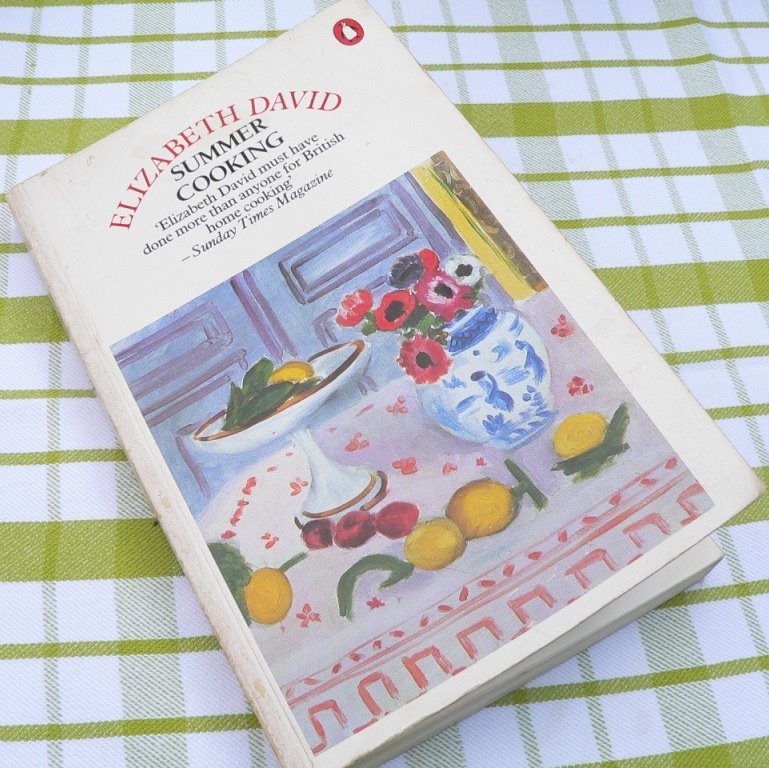
Click to EnlargeWhat’s the definition of an optimist? Someone who digs out her copy of Elizabeth David’s Summer Cooking as soon as the thermometer flirts with anything over 15°C. This weekend, I leafed through my old copy, with its stained pages and broken spine, my name written territorially on the title page. I bought it the summer I graduated, when the world was opening up before me, full of delicious possibilities.

Click to Enlarge
That summer, I shared a first floor flat in a large Edwardian terraced house with three boys. Every second Saturday, I trotted down the stairs to the flat below to give our rent to the elderly son-in-law of the entirely ancient lady who owned the building. He looked exactly like Freud. He even spoke with a refined though pronounced Austrian accent. This would not have been quite so disconcerting had the room in which the transaction took place not resembled so closely the study in the Freud Museum just up the road, complete with antique rugs, heavy wooden furniture and strange little bibelots of mysterious origin and sexuality. I was never quite sure if I should hand over the cash right away or lie down on the sofa and tell him a bit about my childhood first.

Our kitchen was so tiny and prone to condensation that, summer and winter, we had to push open the large sash window every time we wanted to do anything more extravagant that make tea. Still, we managed to throw some great parties, tossing the key down on a string from that same window to our visitors below to save ourselves the trouble of the many stairs. One hot August night, I lay in bed listening to the sounds drifting up through my window from neighbouring houses. Soft laughter, the clack clack clack of a type writer and Miles Davis’ Sketches of Spain being played over and over again – fresh from a tiny Scottish university, I thought I was living in the height of bohemian splendour.

Since then, this tatty book has travelled with me from a Moscow tower block to summer rentals in the Languedoc, as well as across several London postcodes. It’s been packed away and then hastily unpacked in increasingly large and better-ventilated kitchens. We’re friends. We have history. We can not talk for months, years even, but when we get back together it’s as though we’ve never been apart, fish kebabs, crab soup, omelette aux fines herbes and apricot ice cream, our lingua franca.

So I was surprised to discover a recipe I hadn’t noticed before, one for Maqlub, the Persian aubergine and rice dish more frequently called maqluba or makloubeh. Its name means ‘upside down’ and truthfully, that’s the only tricky part of making this fragrant and lovely dish – inverting the hot casserole requires a cool head and sturdy oven gloves.

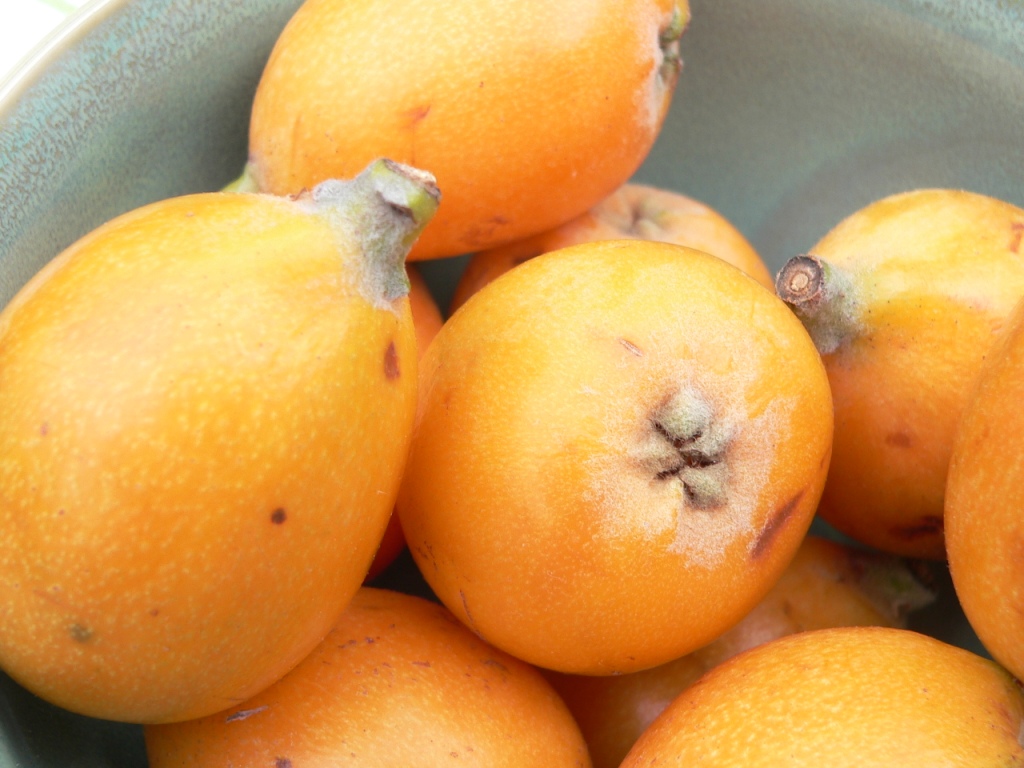
Click to EnlargeI went to the Turkish Food Centre on Ridley Road to buy my ingredients. I love it there, tucked away behind the market. It’s like being on holiday (without the sadistically small baggage allowance), with aisle upon aisle of intriguing ingredients and some of the cheapest, freshest produce in London. I always end up buying more than I’d planned. I may go in for a jar of tahini, but I’ll come out with rose petal jam, some marinated olives, a packet of sumac, honeycomb, a pot of lebneh, a loaf of pillowy, still-warm flat bread, huge bunches of herbs… Yesterday, I was quite restrained, restricting myself to things for the maqlub, some fresh green almonds and a few loquats to nibble for breakfast. I was very proud that I managed to swerve the vine leaf press, a slab of earthenware with holes in it I imagine intended to keep dolma from unfurling while they’re cooking. But I’ve been thinking about it all afternoon.

Click to Enlarge

Maqlub

Elizabeth David wrote: ‘Although this is rather a trouble to make it is one of the best of all aubergine dishes, and the rice, which has absorbed some of the flavour of the meat, is particularly good. A good bowl of yoghourt can be served with it, and a tomato or green salad.’

Click to Enlarge
I’m giving you this recipe as Elizabeth David wrote it, apart from converting it to metric and making some small details of technique more explicit. When I make it again, I might make a few very small adjustments based upon what I’ve read about maqlub since I made it. I might try making the first layer out of sliced tomatoes and I’d definitely brown the mince in the pan once I’ve finishing frying the onions. Elizabeth David suggests you can use raw or cooked meat and I used raw, which clumped up a bit in the cooking process. I think cooked lamb would combine more seductively with the whole dish. I might add a little more seasoning, a pinch or two of cinnamon and nutmeg and a few grinds of black pepper to the meat, and I might toss a few toasted almonds over the top with the parsley.

4 medium-sized aubergines
600g minced lamb or mutton, cooked or raw
200g of rice, I used basmati but any long-grain rice will do
1 onion, finely sliced
2 cloves of garlic, finely chopped
50g flaked almonds
½ tsp ground allspice
400ml beef stock
1tsp of finely chopped thyme leaves or marjoram

Olive oil for frying – not extra virgin
Parsley, finely chopped, for garnishing

Cut the unpeeled aubergines into 6mm slices, sprinkle them with salt and leave them for an hour. Put the rice into soak in water for an hour. Mix the allspice, thyme or marjoram and garlic with the meat. Rinse and dry the aubergines. Heat about 1cm of oil over a medium-high heat and fry the aubergines on both sides until just starting to turn golden. When you have finished frying the aubergines, fry the onions until soft and translucent.

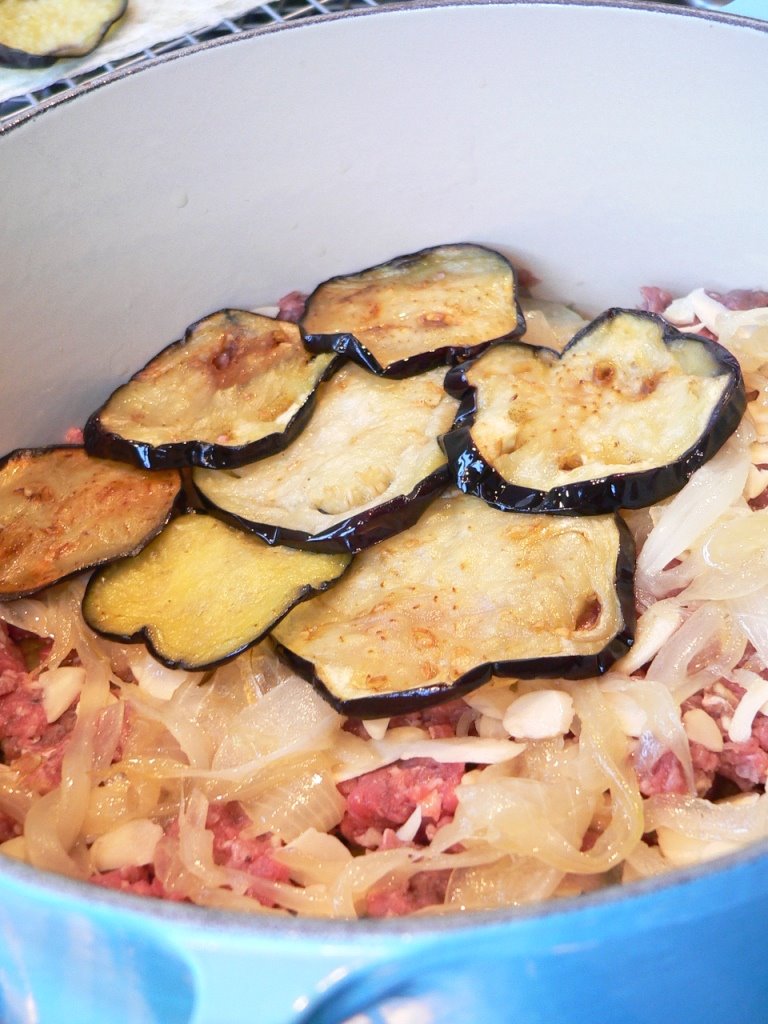
Brush a round casserole lightly with oil. Put a layer of the fried aubergines into the bottom of the casserole (I used a third, so I would end up with three layers), sprinkle on a layer of meat. Click to EnlargeSprinkle with a few blanched almonds and a third of the onions. Repeat until all of the aubergines and meat are used up, and on top put the drained rice. Pour over half of the stock, cover the dish and cook over a low heat for about 20 minutes. Add the rest of the stock and cook for another 30-40 minutes until the rice is almost cooked. Preheat the oven to 180ºC/350ºF/Gas mark 4.

Put an ovenproof serving dish or plate over the pan, carefully turn out the contents of the casserole and put into the oven for another 10-15 minutes. The rice will finish cooking and any liquid left will be absorbed.

We ate it with a few peeled, deseeded and sliced cucumbers tossed in yoghurt with a pinch of sea salt and chopped mint. I trickled a little good olive oil over it just before serving.

Click to Enlarge

TIP
Aubergines. Do you salt them or not? In the past, they were always salted to remove any bitterness and some of their moisture, but with modern varieties it’s not really necessary. I only salt them when I’m going to fry them, as in this recipe, so they don’t soak up quite so much oil – though, be warned, they do still soak it up as keenly as a drunk in a bar five minutes before closing.

LICKED

Click to Enlarge
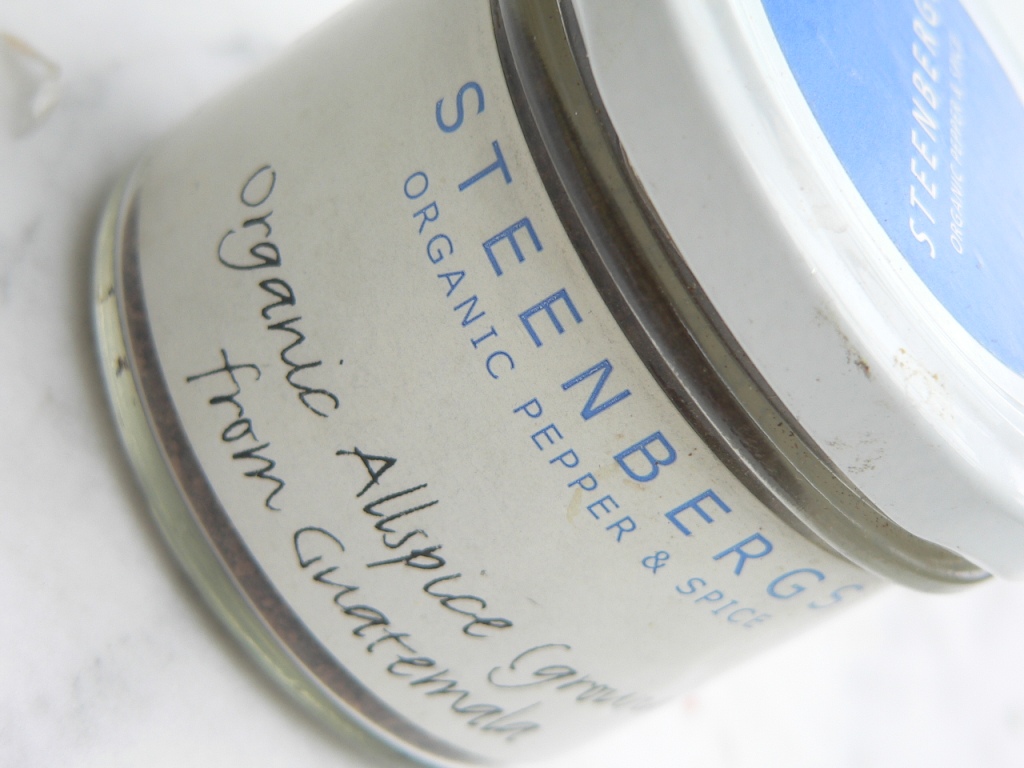
I love Steenberg’s spices, a fantastically extensive range of organic, often Fairtrade seasonings sourced and sold by Axel and Sophie Steenberg in North Yorkshire. They now stock chocolate, vanilla, tea and coffee too.

Click to Enlarge
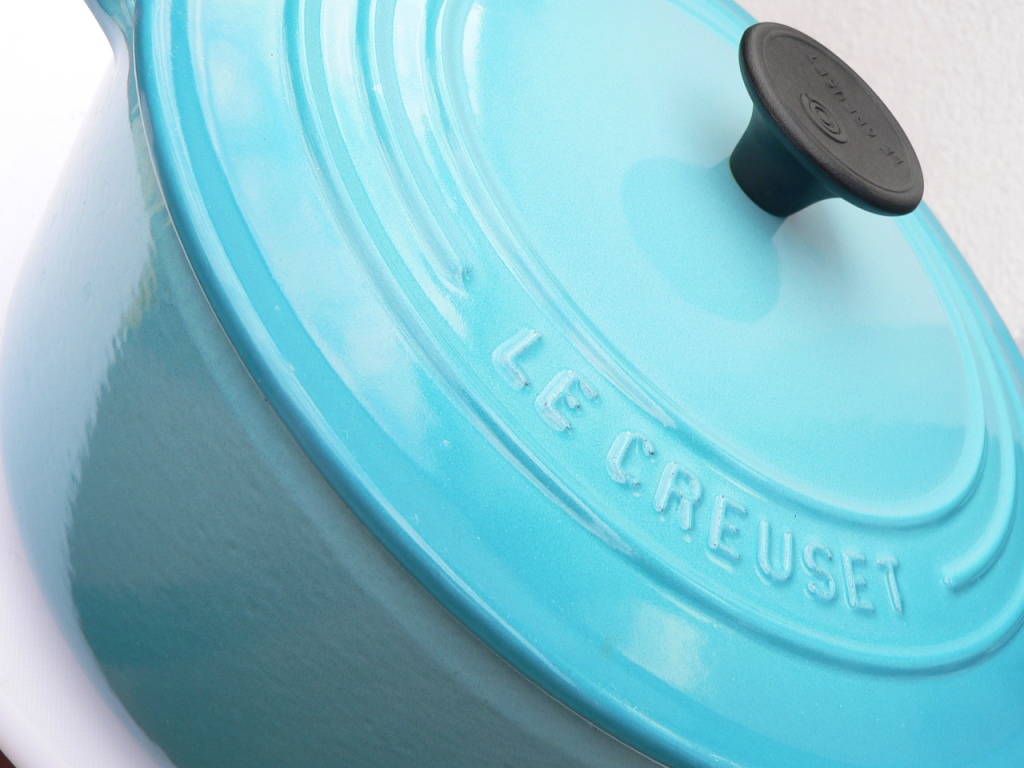
I was not an original bride. I did my best to convince Sean that our marriage licence would not be valid without being able to show proof of ownership of at least three Le Creuset casseroles. Nearly 12 years later they’re still going strong. Despite being shamefully overworked and sometimes being the object of much incendiary abuse, they’re still perfect – the same might be said for Sean.

Sunday in the park with paws

This is what happens when you take a box of Doggie Breath Bones to the park…

Click to Enlarge

Click to Enlarge

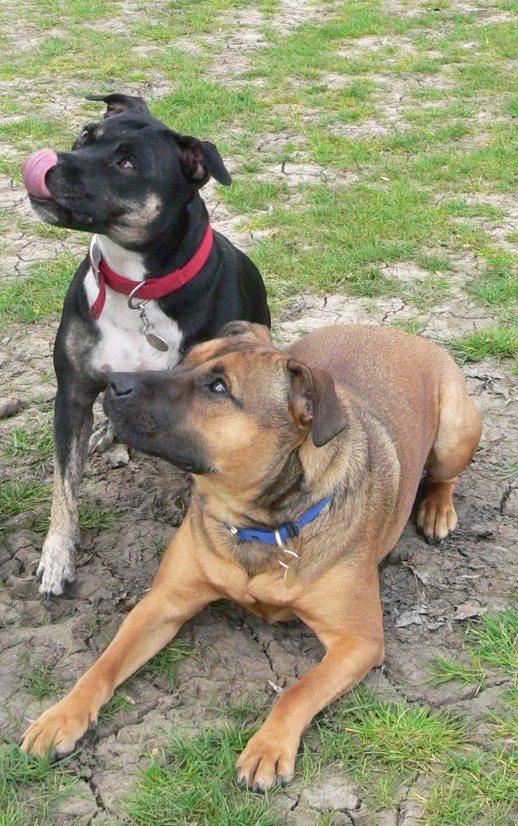
Click to EnlargeCharlie and Barney, who don’t stand on ceremony.

Click to EnlargeRosie, who is a lady.

Click to Enlarge Gomez, the Colonel.

Click to Enlarge Rosie and Charlie, hoping there’s more.

Click to Enlarge Is this thing on?

Click to EnlargeOlivia’s ready for her close up.

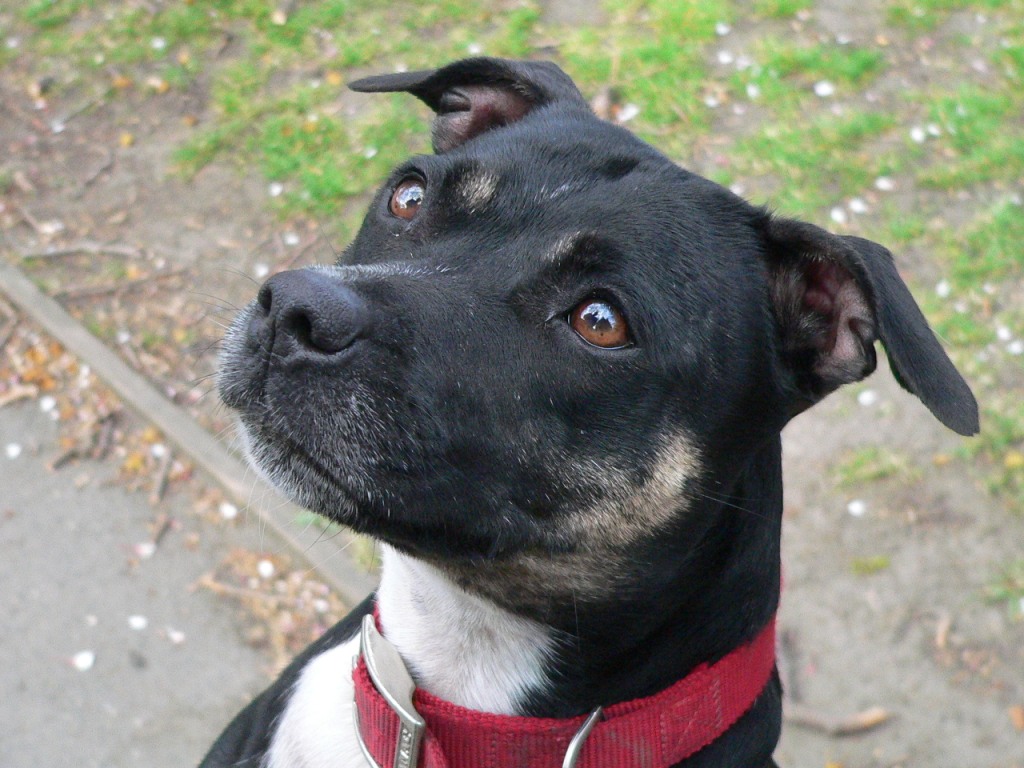
Click to EnlargeSometimes, after all that fancy food, you want to revert to the comfort of the familar. Barney chews a stick.

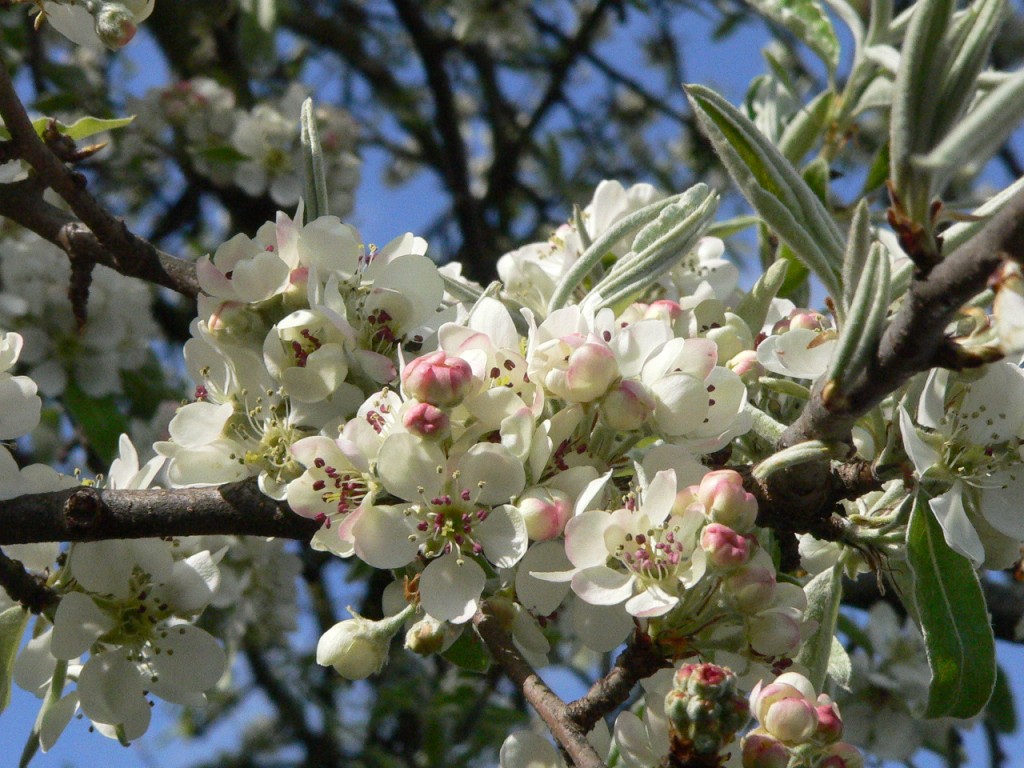
Click to EnlargeApple blossom….

….and Magnolia.

Click to Enlarge

Wherefore art thou, boneo?


Two years ago, we took Barney to his first puppy class. A rather tightly-wound woman pulled a little bag out of the pocket of her quilted jacket, explaining that she only gave her poodle puppy organic liver treats she made herself. I whispered to Séan ’If I ever start baking for my dog, shoot me.’ Well, I’m still here. He’s a very kind man.

This isn’t something I tell everybody. A visit to Unconfidentialcook’s blog, with her daughter’s charming recipe for pupparoni pizza, has nudged me out of the closet, or kennel.

In the interests of full disclosure, I’m going to tell you I first made these for the Dog Christmas Party in our park. I know. While I was making chocolate crackle cookies and chorizo sausage rolls to share with the human revellers, I found myself eyeing the larder – a big bunch of parsley, a dried up end of Cheddar, half a bag of spelt flour. Before I could stop myself, Doggie Breath Bones were born.

One particularly blustery morning last December, a couple of dozen people and even more dogs assembled by the ponds for mince pies and carols. Rachel even brought a camping stove so we could warm up with mulled wine. Food and gossip were shared, bones were handed out.

Suddenly, I understood how the Pied Piper felt. Grateful, often drunk, friends sometimes say my cooking makes them drool. On this occasion, it was true. I was ridiculously, pathetically touched by the dogs’ seal of approval. Ridiculous, as they’re hardly discerning. Between them they have been responsible for the ingestion of many socks, several shoes, bits of vacuum cleaner, cat litter, sofa cushions, ipods, mobile phones, countless remote controls, money (they’re not fussy, they take cheques, cash, credit cards – that’ll do nicely) and enough Lego bricks to provide Battersea Dogs’ Home with a sizeable extension.

I’ve cooked for lots of happy people but Jess the Great Dane, Linus the Beagle, Gomez the Basset, Polly the Labradoodle, Tigger the Toy Terrier, Duffy the black Lab, Elliot the Cocker Spaniel, Malcolm the Schnauzer and the rest of their cheerful, unruly gang are perhaps my least knowledgeable (though that’s debatable) but most enthusiastic audience. They loved them. I hope your dog does too, but let’s not tell anyone about it, shall we?

Doggie Breath Bones

Parsley is very good for digestion and sweetness of breath. Apparently.

Makes about 32 bones

A big bunch of parsley, about 120g, finely minced, stalks and all
1 large carrot, grated
60g Cheddar, or whatever cheese you have left in the fridge, grated
3 tbsps olive oil
300g wholemeal flour- I used wholemeal spelt
2 tsps baking powder
130-200 ml of hot chicken stock or water

Preheat oven to 180C/350F/Gas mark 4 and line a couple of baking sheets with baking parchment.

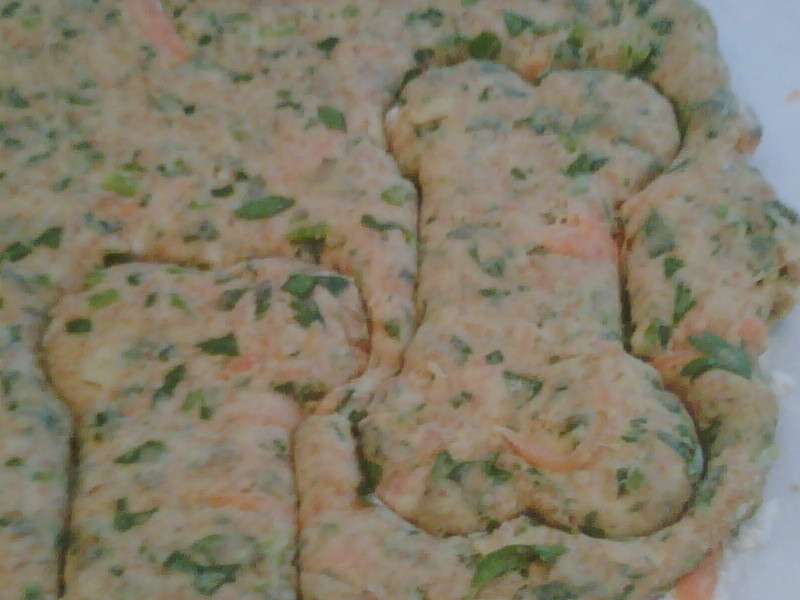
Stir together the parsley, carrots, cheese. Trickle over the oil – at this point it looks like a rather attractive salad. In a separate bowl, whisk together the flour and baking powder. Tip the parsley mixture into the flour and mix everything up with your hands until well combined. Gradually add half of the stock or water, mixing until you have a nice dough – you may not use all of the liquid, you don’t want it to be too sticky. Knead it together gently with your hands, turn it out onto a lightly floured surface and roll out until it’s about 5mm thick. Cut them out with a 4-5cm pastry cutter (ok, so by now I have invested in a bone-shaped cutter. This means that I am officially barking). Knead the offcuts together, roll them out and cut them out too.

Bake for about 25 minutes until the biscuits have browned and hardened a bit. Cool on a wire rack. If you have a tall dog, make sure the rack is on a high shelf. Stored in airtight tin, they’ll keep for quite a while.

Crybaby, it’s cold outside…

Well, that’ll teach me. After getting so skippity-la-la last week I was practically pinning on bunny ears, spring has come decidedly unsprung. When I took Barney to the park on Saturday, I couldn’t wait to let him off the lead so I could cram my hands firmly into my pockets and perfect my optimal tipping into the wind, hail and rain angle without the encumbrance of an excitable terrier.

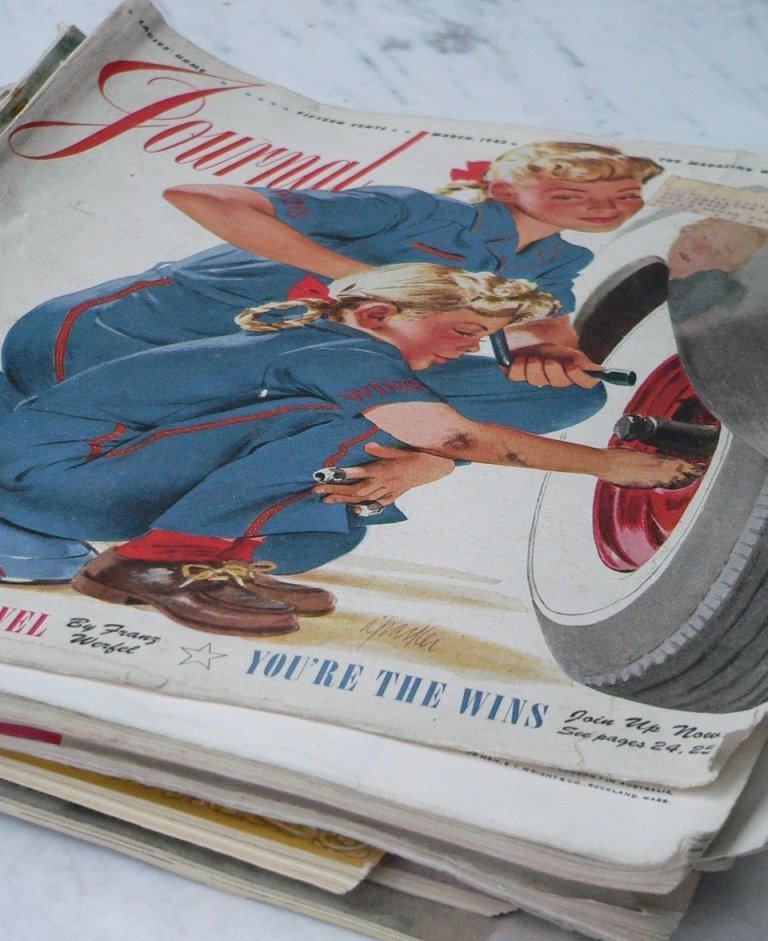
As children, when my brother and I moped around the house feeling sorry for ourselves on rainy days, our indomitable grandmother would say ‘What you need is a good floor to scrub’. A while ago, I scored a stack of 1940s British and American women’s magazines in a junk shop and I thought a few hours flipping through pages of wartime make-do-and-mend would jolt me out of my gloomy state. And give me an excuse to ignore the shamefully grubby kitchen floor.


This is what I learned:

  • Making ‘Spanish Fillets of Fish’ involves tipping a tin of tomato soup over the wretched little fillets and baking them in a hot oven until they submit, or the war is over, whichever comes first.
  • To make woollens look ‘gay and smart for spring’, sprinkle them with powdered magnesia.
  • How to knit my own powder puff.
  • Two ounces of bones will keep one hen happy for half a day.
  • ‘Putting a very little curry powder into French dressing causes folks to do likewise.’ Really? A diet of powdered egg and Spam must have made people very suggestible.
  • ‘Hot soup on cold days produces that tropical feeling.’ Why splash out on a couple of weeks in the Seychelles when a few cans of cream of mushroom will do the trick?

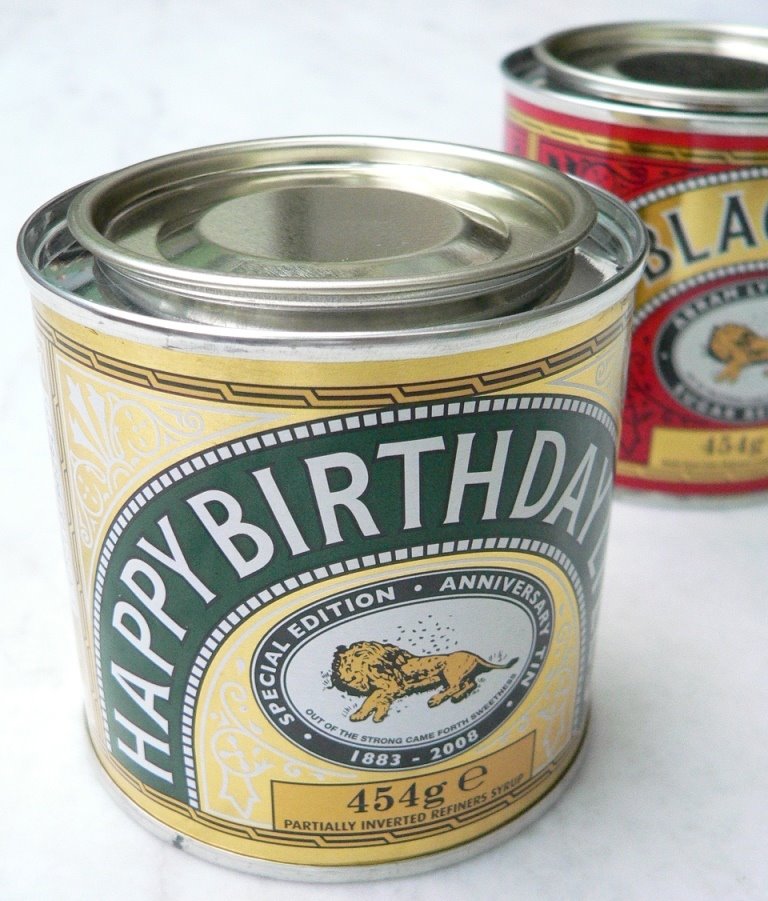
I found a recipe in American Ladies’ Home Journal from February, 1941 for something called Delaware Crybabies. How could I not make these intriguing cookies? I have no idea why they’re feeling so miserable; they’re filled with the good stuff – butter, dark, fudgy sugar and spices. They also contain New Orleans molasses. This is pretty low on the ground in Stoke Newington and the nearest thing I could scrounge from my larder was Golden Syrup. Not ideal, but I was sealed up in the house like an oyster in its shell at this point and the lady was not for shucking.

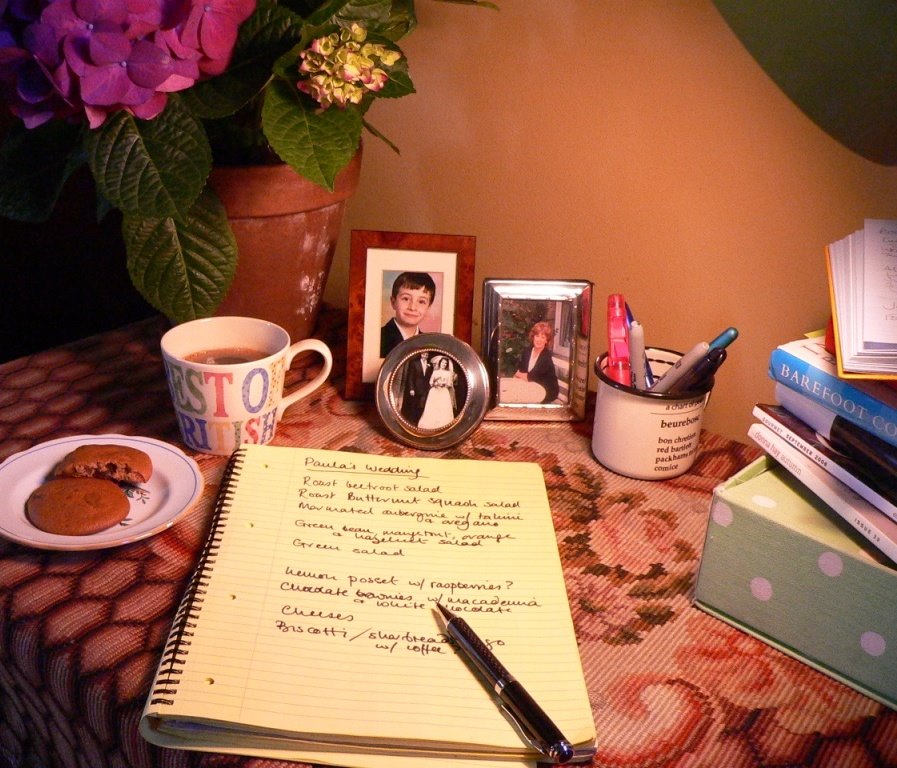
By the time I sat down to start planning the menu for my friend Paula’s wedding in September, I was thawed out and happy. You will be pleased (or horrified) to know that no floors were scrubbed in the course of this cheering up.


Delaware crybabies
These were pretty good – cakey, spicy, fragrant – good with coffee, even better with ice cream. If anyone has a recipe for Macaroon Melancholia or Passive-Aggressive Peanut Butter Cookies, do get in touch.

I’ve listed the American cup measures used in the recipe here and given metric equivalents. For the rest of the recipes on my blog, I thought it would be helpful to give a link to the fantastic metric/imperial/measuring cup conversion chart and glossary of cooking terms on Nigella’s website.

Makes about 60 cookies, so you’ll probably need to bake these in two batches


1 cup (160g) light Muscovado or brown sugar
1 cup (225g) butter, melted and cooled
1 cup (320g) New Orleans molasses (or Golden Syrup – I used 280g Golden Syrup and 40g black treacle, as I ran out of the golden stuff)
2 eggs, beaten
4 cups (530g) plain flour
1 tsp ground cinnamon
1 tsp grated nutmeg
½ tsp salt
2 tsp bicarbonate of soda
1 cup (225ml) boiling water
1 cup (100g) pecans, roughly chopped
1 cup (140g) raisins

Line three baking sheets with baking parchment. Preheat the oven to 190C/375F/Gas mark 5.

Mix together the sugar and butter then stir in the molasses or syrup. Beat in the eggs. In a separate bowl, sieve together the flour, salt, cinnamon and nutmeg. In a small bowl, dissolve the bicarb in the boiling water and add in two parts to the buttery batter, alternating with the flour. Stir in the raisins and nuts. Drop tablespoons of the batter onto the sheets – about 5cm apart as they spread a bit – and bake for about 8 minutes until golden and puffed up. Allow to cool for a minute or two on the sheets then put onto a rack to cool completely.