
We’re staying in a house built into what remains of the metre-thick walls of the Twelfth Century town hall. The steep, narrow staircase to the terrace is carved out of city’s ancient ramparts, complete with arrow slits where Languedocien archers kept watch over the plain towards Sète and the sea. In the 1600s, less grandly, it became the stables of the Maison d’Estella, home to the Counts of Agde. You can still see the archway in the kitchen, beneath which the Count’s horses nudged and snuffled. Later still, in the Eighteenth Century, it became a boulangerie.

The Eighteenth Century baker’s oven, from the days when the house was the local boulangerie.

The archway, a reminder that the pretty sitting room was once home to the Counts’ horses.

An arrow slit in the wall on the way up to the terrace.
When we opened up the house, it smelled bosky, musty, slightly foxy, the centuries of damp creeping into the stones over the winter, claiming back the sleeping house. Today, after a couple of days, it smells of coffee and garlic, fried onions and the pot of basil sitting on the kitchen counter. I bought some ‘room cleansing’ incense cones from the man in the market who, when the days are hot and slow, takes a nap behind his stall, his cinnamon mutt stretched out beside him on the warm pavement.

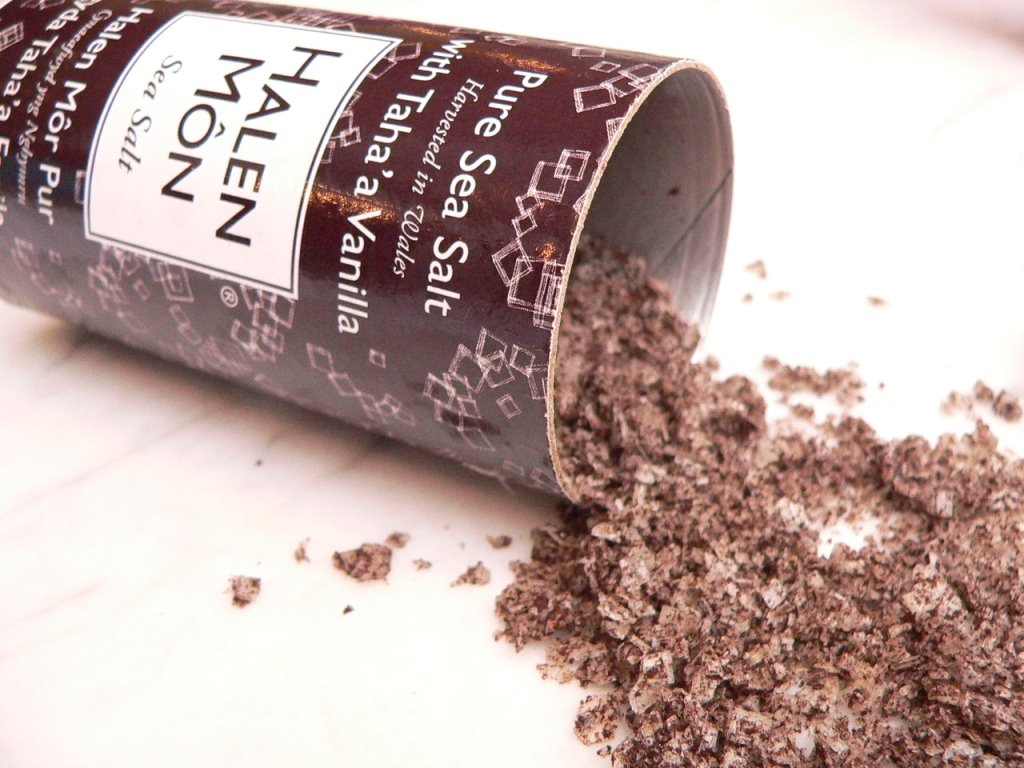
I haven’t cooked much. I’ve arranged pâtés, saucissons and cheeses on the heavy chopping board, laid out radishes with butter and crunchy sea salt, steamed a bit of asparagus, roasted a chicken, tossed a few heads of lettuce in mustardy dressing. So I’m embarrassed. All I have to offer you is vinaigrette.


Vinaigrette
This is my basic, everyday vinaigrette. Sometimes I mash a small clove of garlic into the salt before whisking it into the vinegar; sometimes – to go with steamed artichokes, for example – I leave the vinegar out all together and use lemon juice instead; often, depending on what I’m serving, I stir in some freshly chopped herbs at the end.
1 tbsp white or red wine vinegar, or cider vinegar
1 tsp Dijon mustard
A good pinch of sea salt
3 tbsps olive oil
Whisk together the vinegar, mustard and salt until the salt has dissolved – salt won’t dissolve once you add the oil, so if you don’t you’ll be left with crunchy crystals in your dressing. Slowly trickle in the oil, whisking as you go, until you have a beautiful, silky emulsion. When I dress lettuce, I spoon the smallest amount of vinaigrette into the bottom of the bowl and then turn over the leaves gently with my hands until everything glistens with the merest slick of oil. It’s just not very kind to overwhelm sprightly young leaves with too much vinaigrette. If you wish, dress them sparingly and serve extra vinaigrette in a little jug on the table so people can help themselves.

The view from the terrace…



 Debora Robertson