The weightless salad

Autumn: This morning’s haul from Agde market.

A couple of weeks ago, I wrote this piece for the Independent on Sunday about my life as a recipe tester and food editor. I described the seemingly endless weighing, measuring, washing, drying, retesting, the tearing of hair and rending of garments (#MyStruggle) in pursuit of the flawless, foolproof recipe for something you might want to make for your dinner. (Or not. There’s a horrifying statistic – no doubt created by an especially sadistic manufacturer of ready meals – that readers never make more than three or four recipes from any book they buy.)

One of the things I love about being on holiday – along with sleeping late, reading a novel in a single gulp, and slummocking about with my hair lazily pulled back into a pony tail – is that holiday cooking is the opposite of work cooking. No measuring, note taking or trying to guess someone else’s intention, just the gentle pursuit of pleasure, inspired by wandering around the market or putting my nose round the cheese shop door and taking a good, life-affirming sniff. 

Today, on the first day of our little holiday, we got up early and made the short trip to Agde for market day. It’s a journey we’ve made many times before, but we’re always here in spring or summer. As we drove through fields of golden-leaved vines, it was almost like visiting a different place. In the market, instead of summer’s peaches, cherries, melons and asparagus there were crates of pumpkins, walnuts and quince. And I bought what I liked, with no idea of what I was going to do with it and no scales to weigh it on when I did, I was cooking by instinct and inclination, changing the recipe as I chopped and grilled. The culinary equivalent of a lie in and a messy pony tail, and certainly none the less delicious for that.
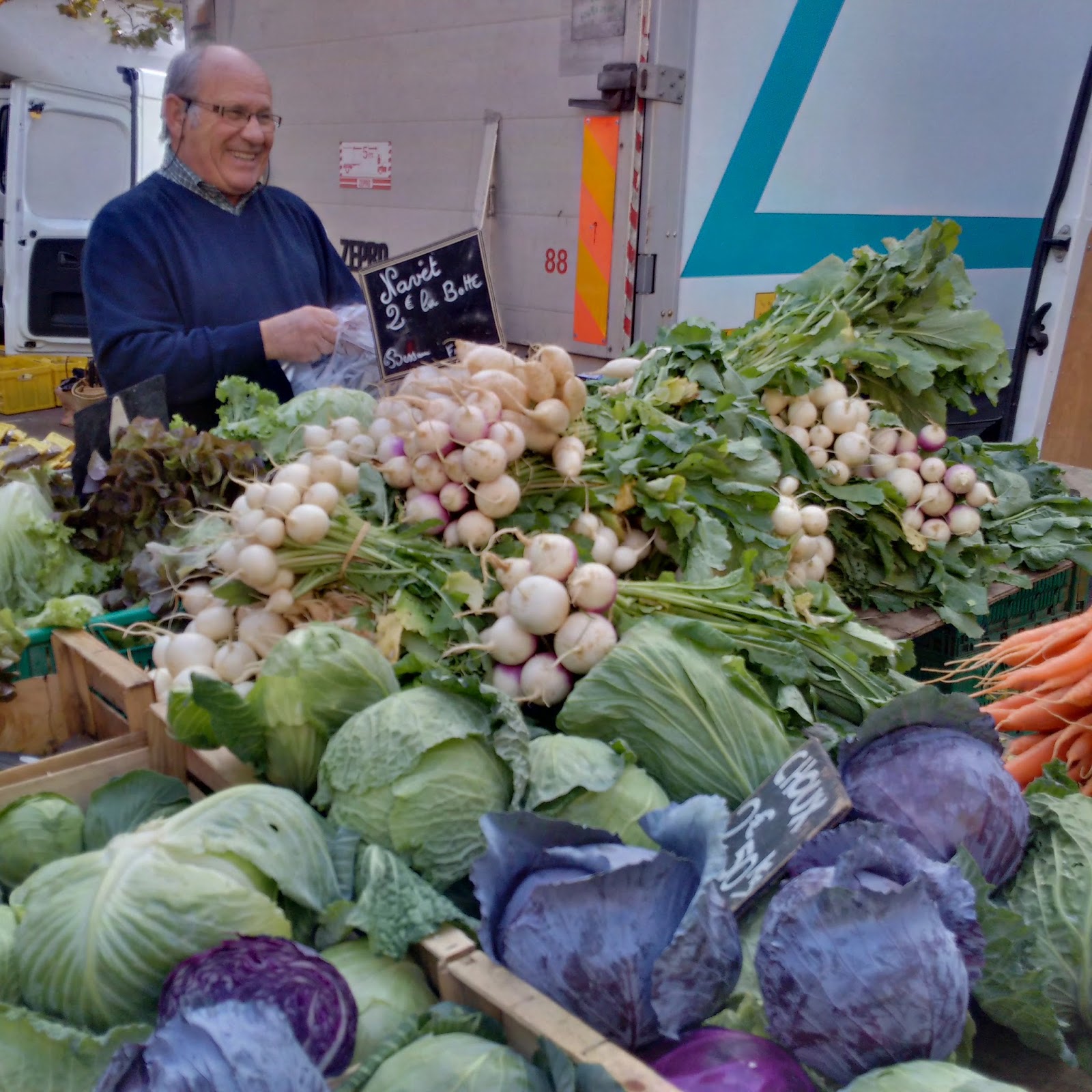
Cabbages and turnips
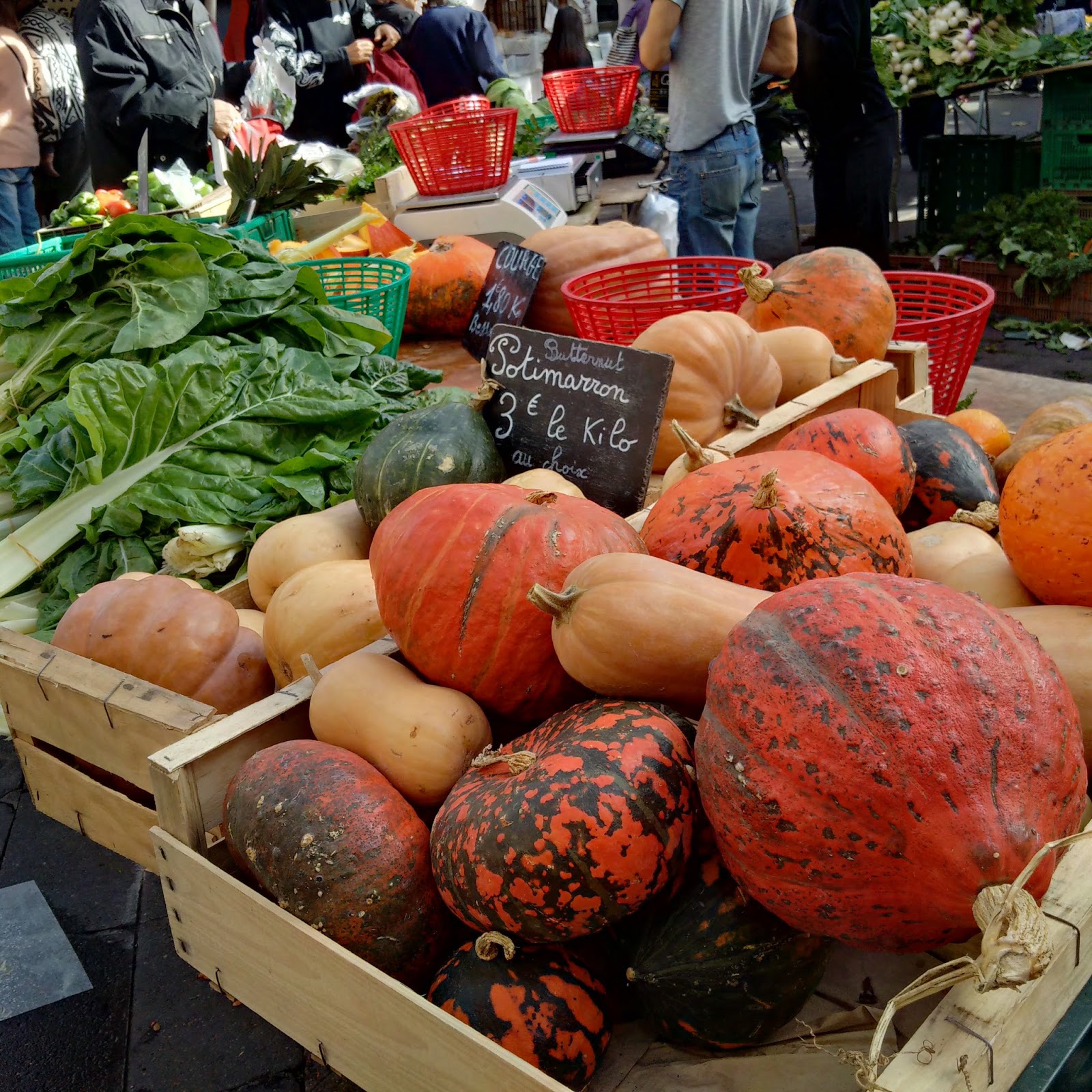
Pumpkins and chard.

Beautiful dates.
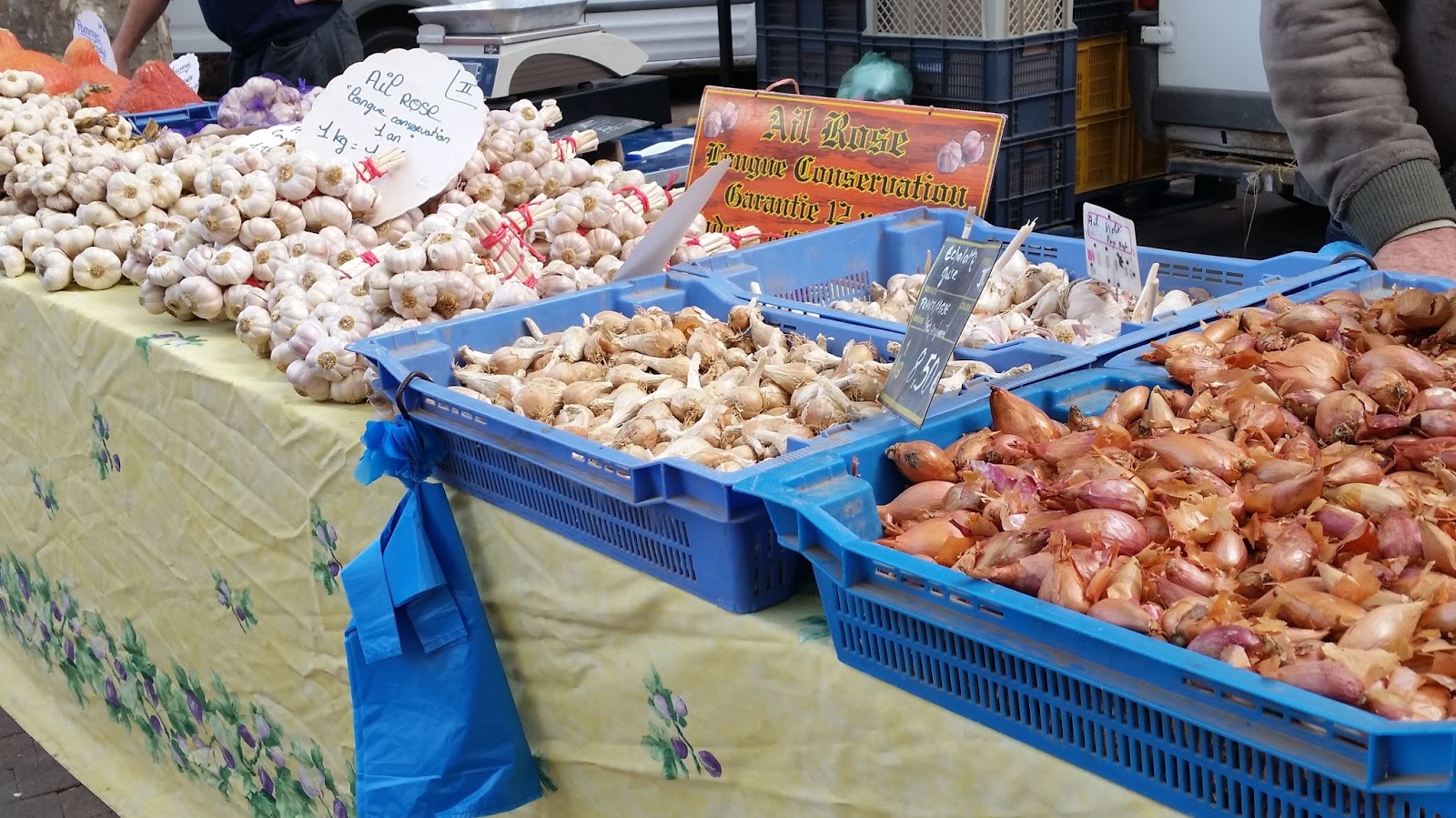
Rose and violet garlic.

My basket of greens and thyme.

After the market, the traditional 10.30am glasses of
beer and wine at the Plazza.
Considerably cheaper than coffee.

From now on, I’m matching my shoes and my vegetables. 
I suggest you do too.

When I’m not cooking, I’m mostly looking out at this.


Stargazy salad, AKA Sardine, black radish and mustard greens
Stargazy salad

As I arranged this salad on the plate, it reminded me of Stargazy pie, the Cornish dish where the heads of the fish poke out of the pastry lid as if caught mid leap. 

I am the very last person to send a salad to do a pie’s job, but if it’s salad you’re after this is a good one. The rich flesh of the fish goes well with the peppery mustard greens and crunchy, fiery black radish. If you can’t find black radish, just use pretty breakfast radishes sliced as thinly as you can.
  
Serves 2-4, depending on how hungry you are and how much bread you might be inclined to eat along with it.


1 smallish black radish, about 120g
Juice of half a lemon
Olive oil, not too strongly flavoured  
About 3 tbsps finely chopped parsley leaves
Finely grated zest of a small lemon  
1 garlic clove, minced  

10-12 sardines
A small bunch thyme or lemon thyme  
2 lemons  
The finely grated zest of a lemon plus couple of squeezes of lemon juice
80g pinenuts, lightly toasted, roughly chopped  
A handful of mustard greens, roughly torn
Flaky sea salt and freshly ground black pepper 

To serve 
Bread and butter, if you like


First, make the salad. Peel the black radish and either julienne it very finely or grate it on the coarse side of a box grater. Dress it with a couple of squeezes of lemon juice and a trickle of olive oil. Toss it with the parsley, lemon zest and garlic, and some salt and pepper. Set aside while you cook the sardines.
  
Preheat the grill as hot as it will go (turn it on at least 5 minutes before you want to cook the fish). You can also cook these on a barbecue if you like.
Ready to go under a hot grill

Line a baking tin with foil. Cut one of the lemons into thick slices and arrange them on the tin. Scatter some sprigs of thyme over the top (save a tablespoon or two of fresh, soft thyme leaves to finish the salad with). Place the sardines on top of the lemon and herbs, trickle over a little olive oil and sprinkle on some salt and pepper. Grill the sardines until just cooked through – this should take about 3-4 minutes per side, depending on their size.

Dress the mustard leaves very lightly in olive oil. Arrange them on a large plate. Heap the black radish salad in the middle and arrange the sardines around it. Scatter over the reserved thyme leaves, pine nuts and a good pinch or two of flaky sea salt. Serve immediately, with wedges of lemon.
Looks heavenly doesn’t it? 
But I never quite lost fear that seagulls would 
swoop in and steal our lunch…

Something for the train

The English seaside. Not for the faint hearted. 

You know those conversations. You’ve had them. Sitting around in the pub with your mates and someone suggests you club together to buy a barge, or take up Morris dancing, or go part shares in a racehorse. It’s going to be brilliant. And then it’s tomorrow and no one ever mentions the barge, or the jingle bells or the horse ever again.

Only this time, Nick was at the table and he’s the most efficient person on the planet. When he suggested a trip to Blackpool, his hometown, to see the Illuminations and we said yes, the tickets were booked and the day planned before the condensation had even dried on those craft ale glasses. 

On Friday we took the 8.30am train from Euston. I’d packed a bacon and egg pie and an iced thermos of Bloody Marys. The six of us were in a high old state of excitement and I felt a little sorry for the people surrounding us, clearly on their way to work, hoping to get a few hours on their laptop to catch up with their emails or play games or whatever. We were definitely the people you didn’t want in your carriage. We’d made a good inroad into pie and bloodies and laughing when Kirstin said ‘Is it even 9 0’clock yet?’. It wasn’t. I was worried we’d peaked too early.

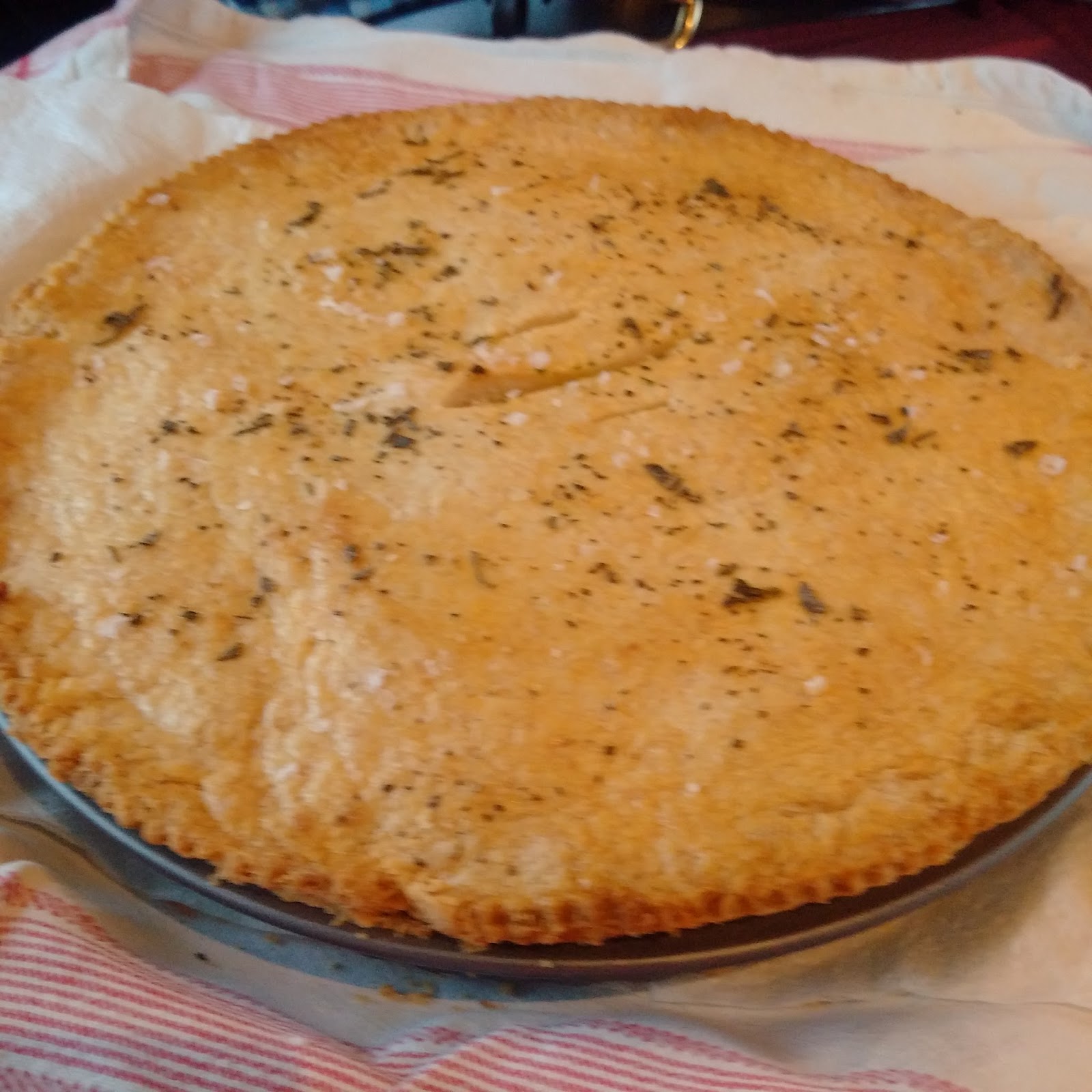
Pie on a train.

Pie at midnight – last minute preparations for our train breakfast.

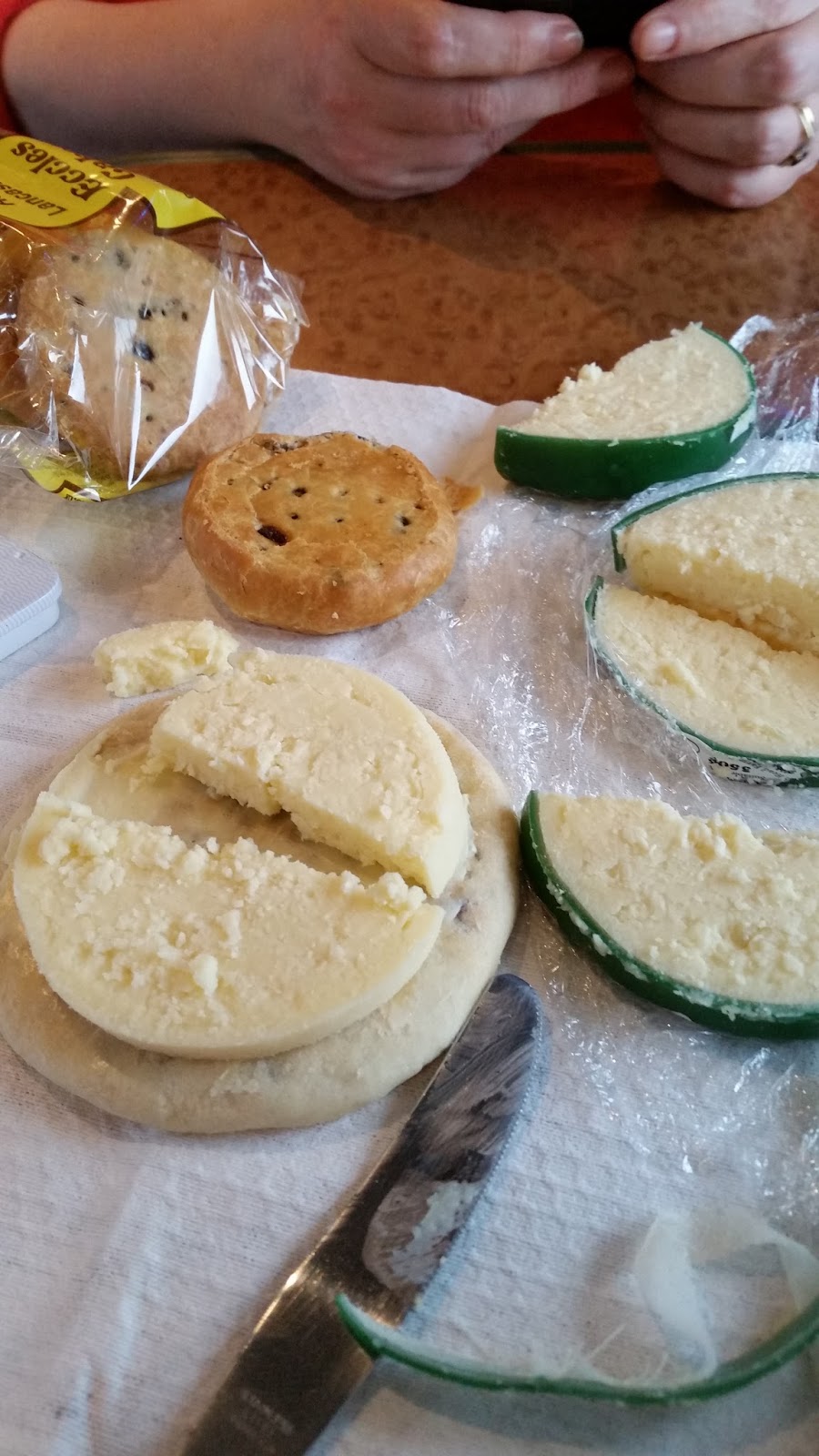
Train picnic: the Eccles cake v Chorley cake taste off, with some Lancashire cheese, naturally.

We hadn’t. We had a blissful day. This is what happened:
  • Our bus got stuck in the funeral cortege of the man who allegedly kept the Krays out of Blackpool. Inside the vintage Austin hearse, his trilby sat on top of his coffin along with a huge cross of white chrysanths. On the side of the coffin, in foot-high letters, more white chrysanths spelled out ‘MIXIE’.
  • A delicious fish and chip lunch at Seniors (National Fish and Chip Award winner, 2012). I highly recommend it. The fish is super fresh, the batter light, the chips a proper shade (not the pale, sad things which’ve barely flirted with the fryer you get in the South), and the staff are charming.
    Seniors for lunch. Cod, chips, gravy, mushy peas and tea. 
    Note the correct colour of the chips.

    • I tried (very hard) and failed to win a pony key ring on the penny falls slot machine.
    • I got far too goosebumpy at the sight of elderly couples waltzing around the Tower Ballroom in their best shoes, so nimbly and with so much mutual devotion in their eyes, as the Wurlitzer played Sunny Side of the Street.
    • We whizzed up to the top of the Tower. I loved the views over the frigid North Sea and the rows of colourful Blackpool terraces. Nothing would induce me to step foot on the clear glass floor and look 380ft below to My Certain Death.
    Nothing would have got me onto the glass floor.
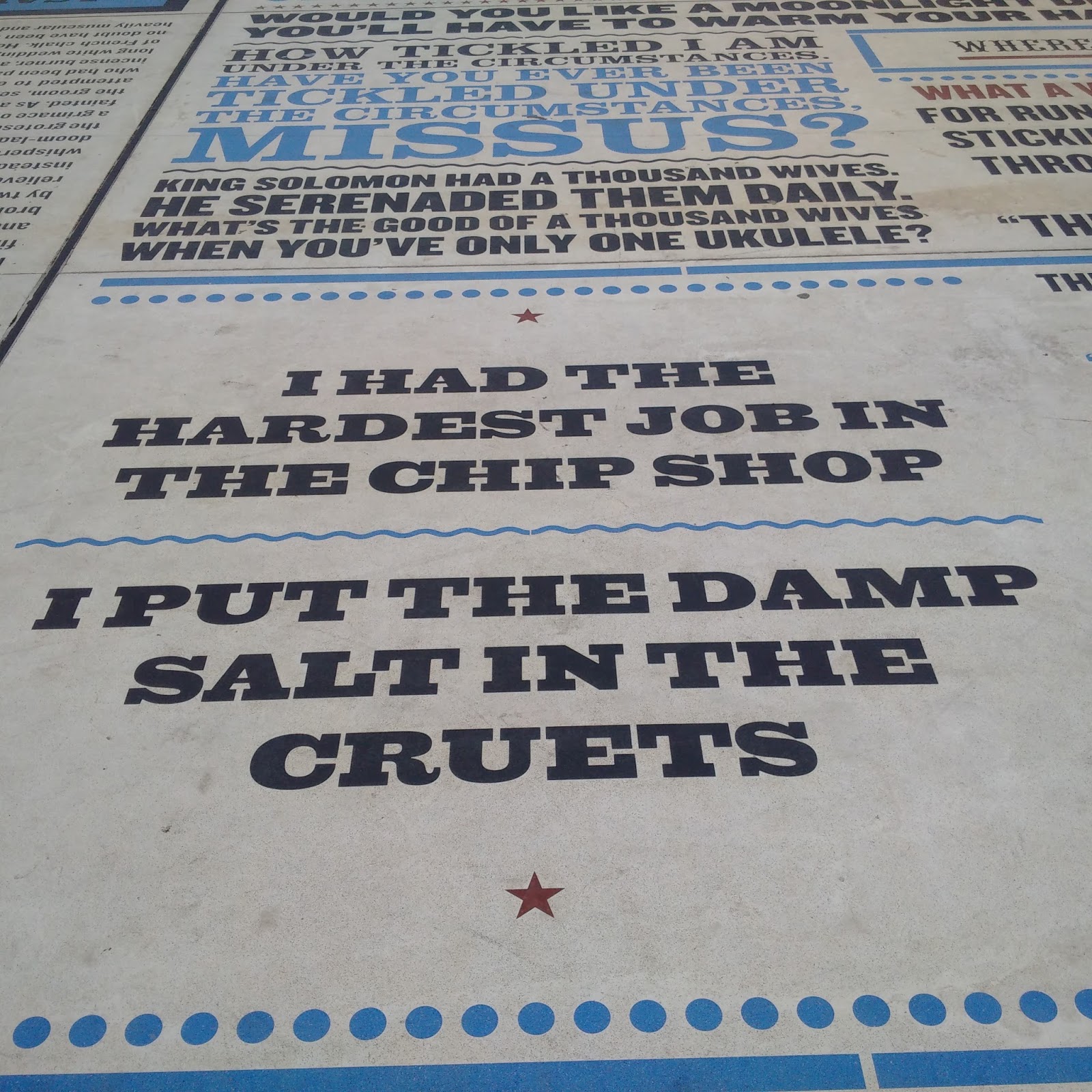
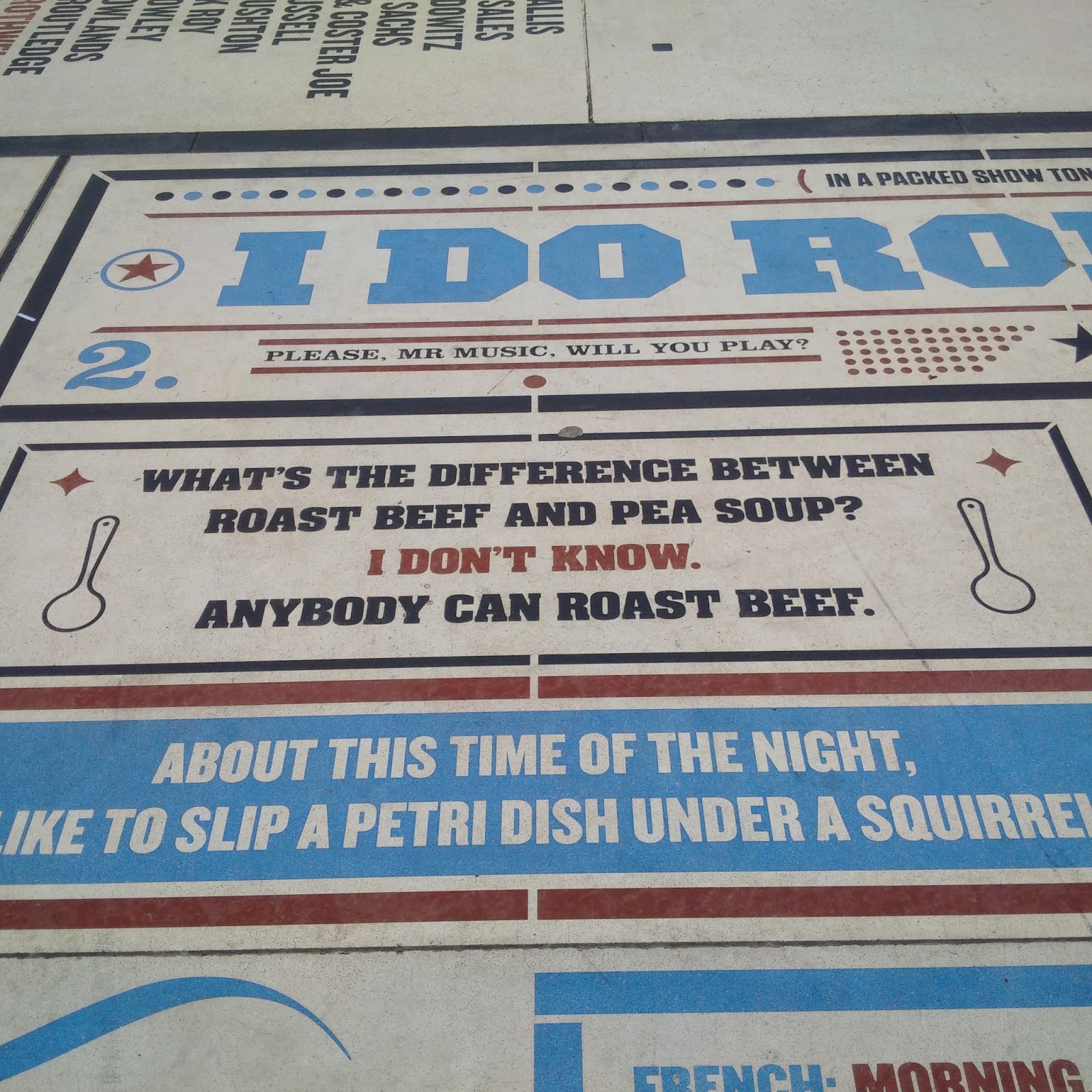
    • We skipped across the Comedy Carpet, Gordon Young’s tribute to English variety. A pleasing number of terrible food-based gags.
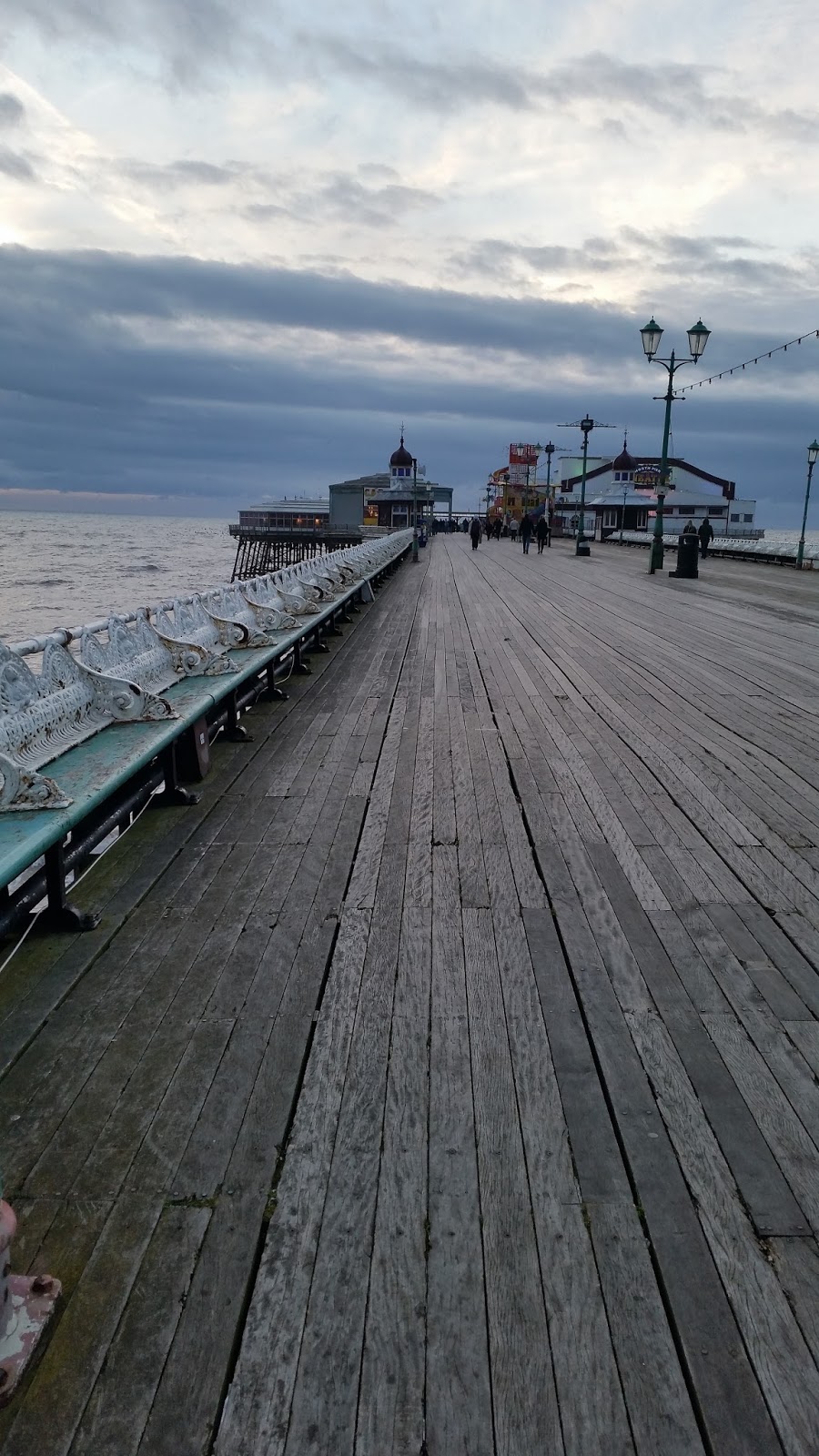
    • We saw a murmuration of starlings swirling above our heads as we walked along the wide, wooden pier in the grey, growing dusk.
    The Pier
    • We rattled up and down the sea front on the tram, any city cynicism evaporating as the lights twinkled all around us.
    A tram, decked out with lights and dressed as an ocean liner.

    • We walked along the last part, enjoying the tableaux, listening to grandparents tell their grandchildren about the light shows they remembered from their own childhoods, reciting nursery rhymes, holding on tightly to tiny gloved hands.
    Alice in Wonderland.
    • Wine and cheese at Nick’s mum’s. We all agreed she looks like Helen Mirren.

    What didn’t happen…
    I didn’t have candy floss, whelks, a hot dog or my fortune told by Madame Petulengro. I also still want that pony key ring from the penny falls. For these reasons I must go back.


    Breakfast pie
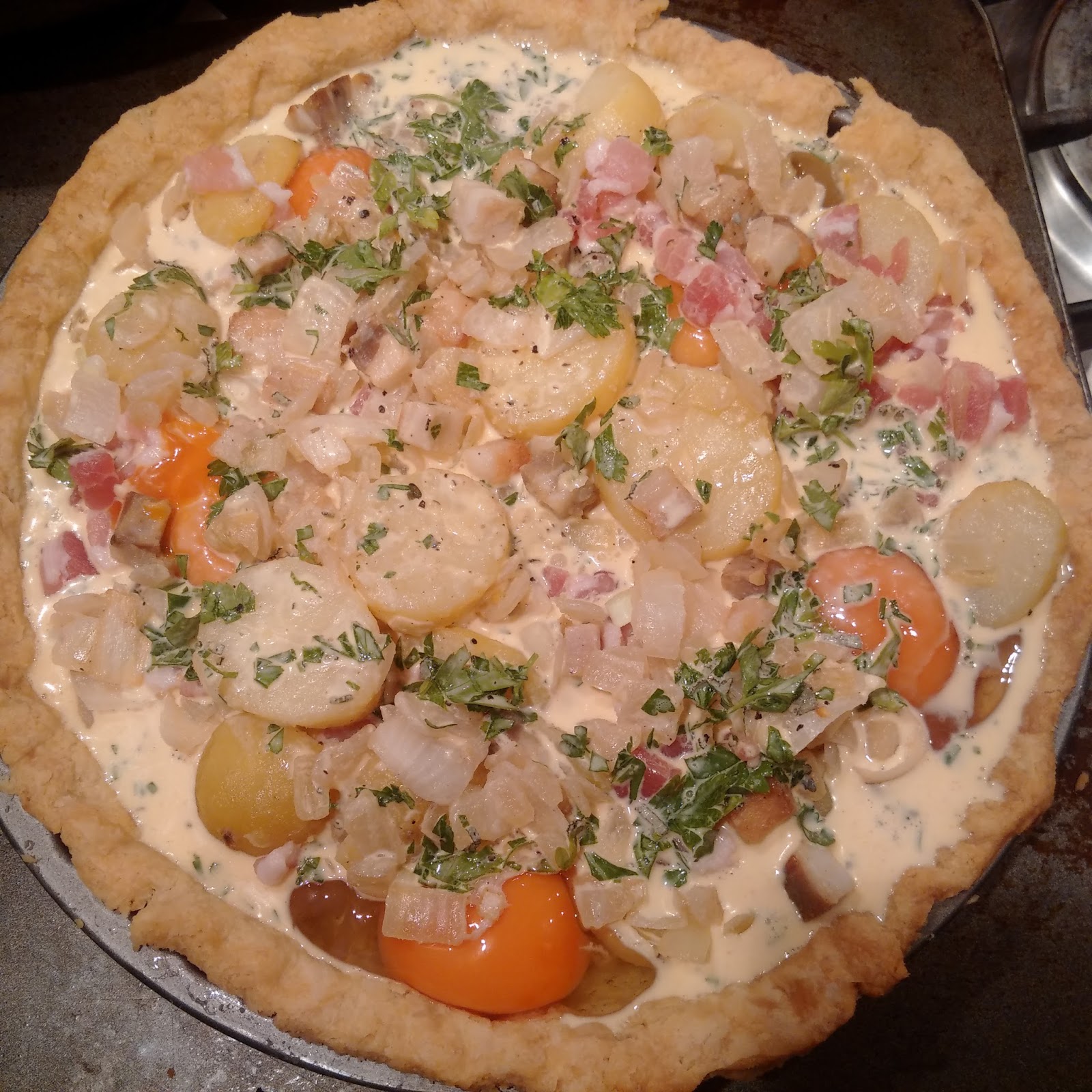
    Breakfast pie – Note the whole eggs.

    My great auntie Louie was an excellent baker and made delicious bacon and egg pies. Hers most definitely did not have pancetta in them, but I was trying to use up some things from the fridge and I had a nice chunk hogging a corner of the deli drawer. You can use just bacon if you like – just cook a bit of it to render out the fat to fry the onions in, and leave the rest raw to bake in the pie.


    SERVES 6-8 

    For the pastry 
    400g plain flour, plus more for flouring the surface and rolling pin
    ¾ tsp fine sea salt
    100g lard, chilled and cut into cubes
    100g unsalted butter, chilled and cut into cubes
    2 eggs, lightly beaten
    2-3 tbsps iced water

    For the filling
    20g butter
    80-100g pancetta, cut into small cubes
    1 onion, diced
    Bay leaf
    5-6 new potatoes, cooked and thickly sliced
    4 slices streaky bacon, unsmoked or smoked, whichever you prefer, rind cut off and cut into small pieces
    4 spring onions, white and pale green part only, finely sliced
    6 eggs, plus 1 more for glazing and filling
    80ml double cream
    2 tbsps finely chopped parsley
    1 tbsp finely chopped sage leaves
    A few gratings of nutmeg
    Salt and freshly ground black pepper

    To finish
    A couple of pinches of flaky sea salt
    1 tbsp finely chopped sage leaves

    To serve
    HP sauce, if you like

    First make the pastry. Whisk together the flour and salt in a bowl then rub in the lard and butter until it resembles coarse breadcrumbs – you still want some lumps of fat in the dough to ensure a nice, flaky pastry. Make a well in the middle and add the eggs a little at a time, using a knife to cut them into the mixture. Add just enough water to bring it together into a dough, kneading very lightly with your hands to bring it together into a smooth disc. Wrap in clingfilm and chill in the fridge for at least an hour. You can make this a day or so before you want to make the pie if you like. Of course, you can make this in a food processor but be very careful not to over process it – use the pulse button and only work it until it just comes together.

    Lightly flour a clean surface and a rolling pin. Cut the dough in half and roll one piece out into a circle of approximately 30cm diameter. Use the pastry to line a 23cm loose-bottomed flan tin, pressing it gently into the corners, then trim and crimp the edges. Put it back into the fridge to chill. Roll the second half of the pastry out and trim into a 23cm circle (use a plate or the base of a flan tin as a template); place on a baking sheet and put it in the fridge. Chill the lined flan tin and the top for at least 30 minutes.

    While the pastry is chilling, prepare the filling. Warm the butter gently over a medium heat and when it stops foaming, add the pancetta. Cook until it’s rendered some of its fat and turns lightly golden. Remove to a plate with a slotted spoon. Tip the onions into the pan with a pinch of salt and a bay leaf and reduce the temperature to medium low. Cook, stirring from time to time, until the onions are soft and translucent, about 15 minutes. Put the potatoes into the pan along with the reserved pancetta. Turn everything over for a couple of minutes then remove from the heat and discard the bay leaf. Cool.

    Preheat the oven to 180°C/160°C Fan/Gas 4. Place the lined flan tin on a baking sheet. Prick the base and sides with a fork. Line the tin with crumpled baking parchment and fill with baking beans and/or uncooked rice or pulses. Bake for 18 minutes. Remove the parchment and baking beans. Return the flan tin to the oven and bake for 7-10 minutes until the base is completely dried out and beginning to turn golden.

    Increase the oven temperature to 200°C/180°C Fan/Gas 6.

    Spoon half of the pancetta, onion and potato mixture into the bottom of the pie. Scatter on the bacon and spring onions, then spoon the remaining pancetta mixture over the top. Using the back of a spoon, make six evenly-spaced hollows around the edge of the pie. Crack a raw egg into each of the hollows.

    In a small bowl, whisk together the remaining egg with the cream. Tip a couple of tablespoons of this mixture into a small bowl and reserve it to glaze the pie. Stir the sage, parsley and nutmeg into the remaining mixture and season well with salt and pepper. Pour over the top of the pie filling and give the tin a little shake to distribute it evenly. Brush the edge of the pie with some of the egg and cream wash. Carefully place on the remaining disc of pastry. It should be a good fit, with no overhanging pastry. Press it down firmly with your thumb or a fork to seal. Brush the top of the pie with the egg wash then sprinkle on the chopped sage and a little flaky sea salt. Cut three short slits in the middle of the pie to allow the steam to escape. Return the pie to the oven and cook for 30-35 minutes, until the pie is golden brown all over. Serve warm or cold, with brown sauce if you like.

    From the Comedy Carpet, some food-based gags…


    An apple cake, to eat warm or cold


    You know about my surfeit of apples. This is one of the other ways I’ve been using them up, with a recipe that wobbles tenderly between pudding and cake, something to be eaten warm at the end of an autumn dinner or cold with a cup of something, either at tea time or better yet, at breakfast like a sybaritic bircher muesli.


    When the cake comes out of the oven its quite soft. That’s the moment to serve it with some good vanilla ice cream or clotted cream. As it cools, it firms up a little and then it’s good with thick cream or yoghurt (or simply on its own, if it’s Lent or something).


    When I was thinking about this recipe, I had in my mind a simple apple cake, with chunks of apple and just enough sweet cake mixture to hold them together. This I based on Marie-Hélène’s Apple Cake from Dorrie Greenspan’s Around My French Table (if you have even the tiniest of a glimmer of a Francophile in you, you should have this book. It’s a treasure), adding a bit of cardamom because I love it with apples, and a slosh of applesauce for texture and because I have jars and jars of it. Then I thought scattering on a streusel topping would be good, partly because I just like the word streusel and also because adding a little walnut crunch to the sweetness is always a good thing.


     Warm, it’s more like a pudding, cold it’s more like a cake.

    For the cake:
    140g plain flour

    1 tsp baking powder
    1 tsp ground cardamom
    ½ tsp salt
    4 apples*
    2 large eggs
    150g caster sugar
    3 tbsps dark rum
    1 tsp vanilla extract
    120g unsalted butter, melted and cooled, plus a little more for greasing the tin
    150g cooked, puréed apple


    For the streusel:

    60g plain flour

    60g unsalted butter, cut into small cubes
    60g light muscovado sugar
    60g shelled walnuts, chopped

    * It’s good to use a combination of apples if you can, for the combination of textures and flavours. I used a Bramley, a James Grieve and a couple of Cox’s.


    Preheat the oven to 190°C/170°C Fan/Gas 5. Grease a 23cm springform tin with some of the butter. Line with baking parchment and butter the parchment. Place the tin on a baking tray.


    To make the streusel, in a small bowl rub together the flour and butter until roughly combined – you still want the butter to be in quite big pieces – then mix in the rest of the ingredients. Set aside. In a separate bowl, whisk the flour, baking powder, cardamom and salt together in a bowl until well combined and aerated.


    Peel the apples, core them and cut them into large-ish chunks. Wedges of about 3-4cm are about right.


    Put the eggs and sugar into the bowl of a stand mixer with the whisk attached (of course, you can do this by hand if you prefer. It’s not one of those cakes which is terribly arduous). On a medium speed, whisk them together until light and foamy – a ribbon of batter should remain on the top of the mixture for a second or two when you lift up the beaters. Whisk in the rum and vanilla. 


    Remove the bowl from the stand mixture and with a spatula, first stir in half of the flour then half of the butter. Gently fold in the remaining flour, then the butter until only just combined. Fold in the applesauce, then the cut apples just until they’re evenly coated with batter. Scrape the mixture into the tin and smooth it down gently. Sprinkle on the streusel topping and bake for 50-60 minutes – it should be golden on the top and feel slightly springy to the touch, but still have some softness to it.


     Scattering on the streusel.

    Cool in the tin for 10 minutes. Run a thin knife around the edge of the tin, release the catch and carefully remove the cake. Gently peel off the parchment and either serve warm as a pudding, with ice cream or clotted cream, or cold, with whatever you like. It will keep, covered, for a couple of days.

    My favourite apple pie

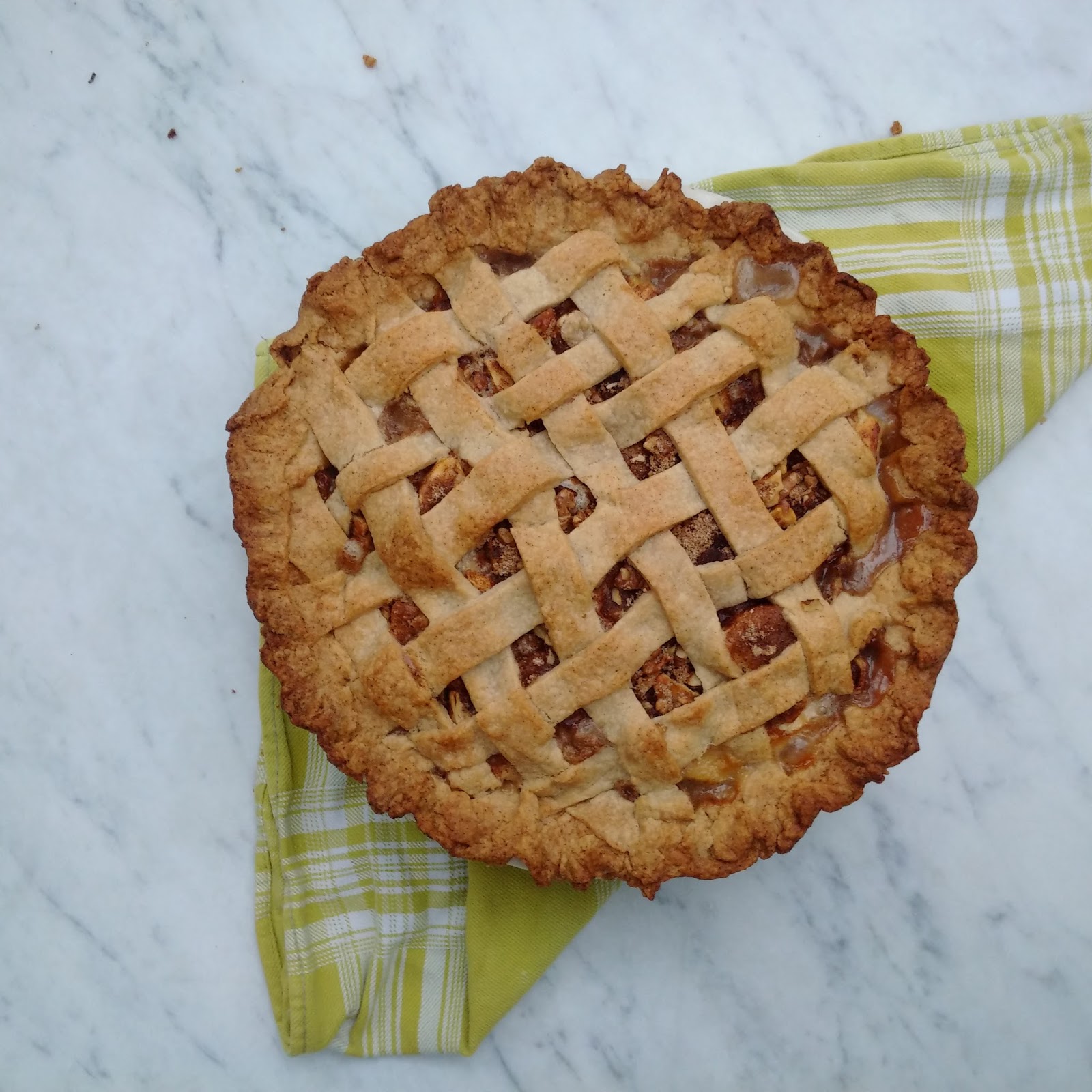
    Sour cream apple pie


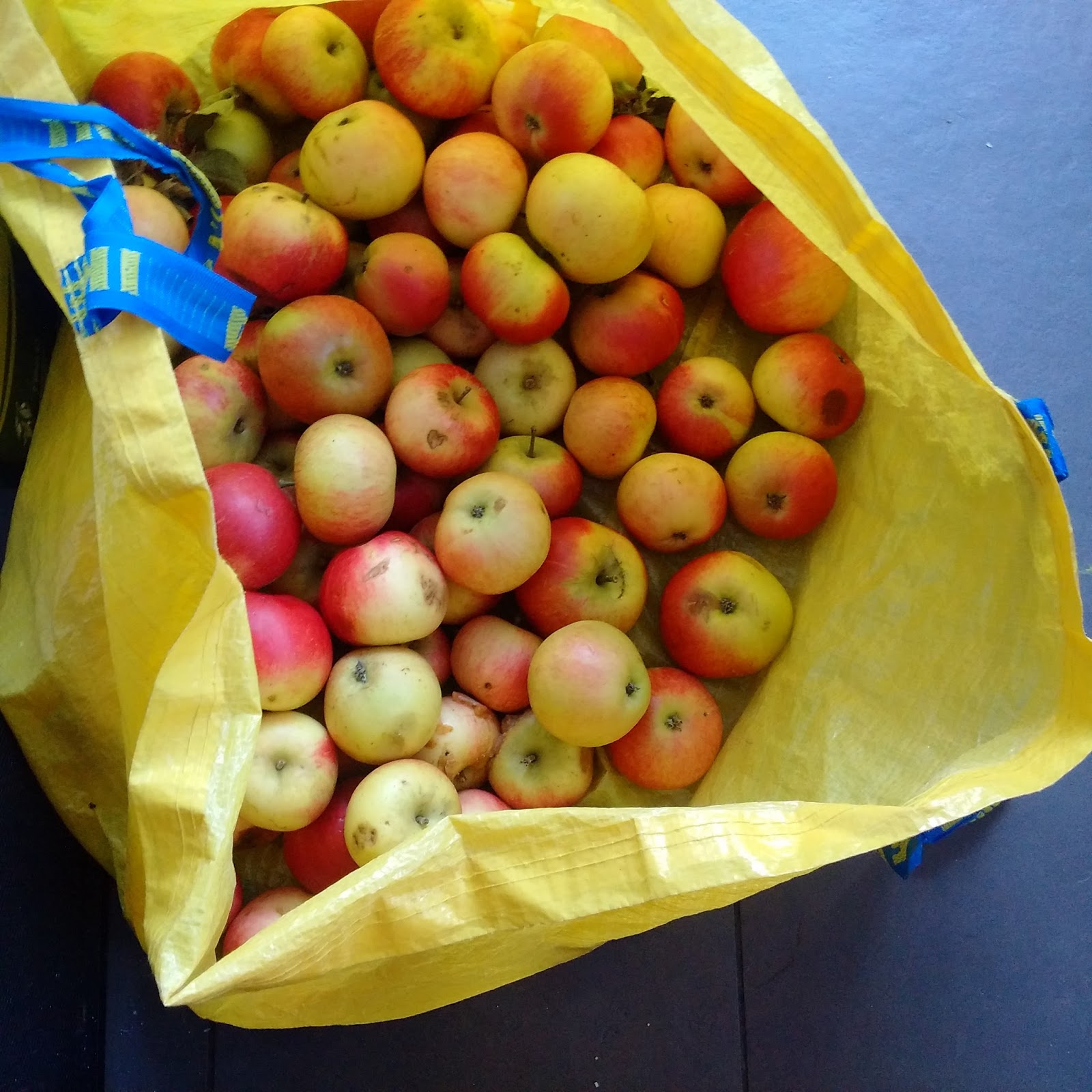
    I’ve been going a little crazy with the apples. The two young trees in our small city garden (a Bramley, because you have to, and a James Grieve) are bent low with fruit. Friends arrive from the country, or from their own corners of the city, with more bags of apples. The whole house smells of them.

    I’ve juiced them and stirred them into cakes and puddings. At night, I let the dog out, turn on the dishwasher, lock up the house and spoon another batch of cooked apples into their muslin hammocks so they can drip drip drip their juice into bowls, to be made into herb jellies in the morning.

    Friends arrive with apples.

    And twice now, I’ve made this pie. It comes from TheSilver Palate Cookbook, an enormous favourite of mine, picked up on a trip to America in the 80s and now falling apart from decades of love and overuse.

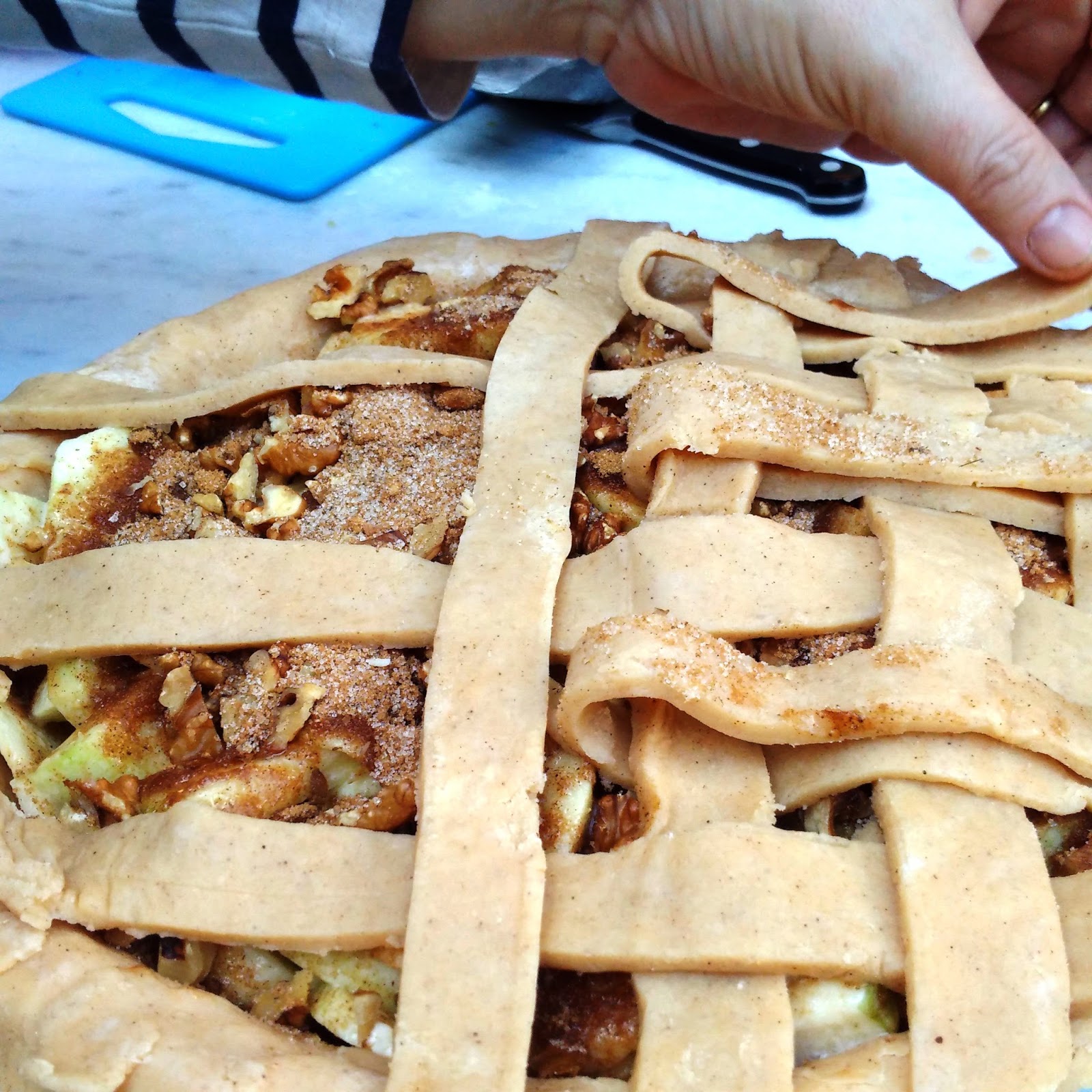
    I’m terribly keen on the cosy look of lattice-topped pie, something that would look good cooling on Laura Ingalls’ window sill in Walnut Grove. I could try and tell you how to do it here, but it would go on for ages and we might fall out. What you need is something from YouTube like this (if only for the use of the word ‘cattywampus’ at 8.05). For happiness, try to banish from the kitchen anyone who might be inclined to chip in with ‘You’re doing it wrong!’ at any stage.
    Silver Palate Sour-Cream Apple Pie

    Making the lattice.


    This makes a deep pie with a tender crust – as it cooks, the topping bubbles and melts into caramelised lusciousness under the pretty lattice.  Serve it warm or at room temperature with thick cream, clotted cream or good vanilla ice cream.

    I’ve metric’d the ingredients here, because we’re not actually in Walnut Grove, and I link here to the methodfrom epicurious.  I used a mixture of James Grieve apples and Cox’s Orange Pippins – you don’t really want the fluffiness of Bramleys here.  I like to toast the walnuts very lightly in the oven before mixing them into the topping, about 5-6 minutes on an oven tray at 180°C/160°C Fan/Gas 4 should do it.

    For the crust:

    320g plain flour
    60g caster sugar
    ¾ tsp salt
    ¾ tsp ground cinnamon
    90g butter, chilled and cut into small cubes
    90g lard, chilled and cut into small cubes
    4-6 tbsps chilled apple juice or water

    For the filling:
    5-7 tart apples
    160ml sour cream
    75g caster sugar or vanilla sugar
    1 egg, lightly beaten
    ¼ tsp salt
    1 tsp vanilla extract
    3 tbsp plain flour

    For the topping:

    3 tbsps light muscovado sugar
    3 tbsps granulated or demerara sugar
    1 tsp ground cinnamon
    120g shelled walnuts (see note in introduction), roughly chopped

    Filling the pie.

    Crimped.

    My favourite cookbooks of 2014


    DSCF2029

    I love a list. They are everyday poems. But if there’s one thing I love as much as a list, it’s books, with the subset of cookbooks having a particularly warm place in my heart. These are the books I’ve loved most this year, the ones which have a place on my kitchen shelves rather than the ones upstairs in my office. There’s barely a week that I haven’t reached for them, stuck in another Post-It note, made another shopping list. If you’re looking for inspiration for your Christmas list, either for yourself or others, I hope you find it useful.


    DSCF2011


    A Year at Otter Farm: Inspiring recipes through the seasons by Mark Diacono (Bloomsbury, £25)

    Mark was the head gardener at River Cottage and is the owner of the country’s first and only climate change garden. In A Year At Otter Farm, he shares stories and recipes from his smallholding with characteristic candour (‘Sheep are a lovable pain in the arse.’) and much joyful optimism, in the face of blight, scab, frost and floods. Though some of the ingredients may seem exotic, most of the recipes are very straightforward. Lots of preserves and cheering flavoured booze too.

    MY MOST-USED RECIPES: Warm salad of Padron peppers, sugar snaps, cherries and halloumi; Pot roast chicken with grapes in milk; Blackcurrant leaf sorbet; Walnut tart.
    BEST FOR: Adventurous allotmenteers, those who love to keep their cookbooks on their bedside tables.


    River Cottage: Light and Easy by Hugh Fearnley-Whittingstall (Bloomsbury, £25)
    Great, everyday recipes which happen to be dairy- or wheat free. Perfect for busy cooks who want some inspiration for lively, delicious weekday cooking (though there’s plenty for more celebratory occasions too).

    MY MOST-USED RECIPES: Buckwheat noodles with wakame and ginger; Lamb with cauliflower and chickpeas; Chocolate and avocado mousse with honeyed strawberries.
    BEST FOR: Happy eaters who happen to be dairy- or wheat-free, or would like to be.


    DSCF2006

    Persiana: Recipes from the Middle East and beyond by Sabrina Ghayour (Mitchell Beazley, £25)
    Some people have hospitality in their DNA and supper-club doyenne, Sabrina Ghayour is one of them. Her lively, punchy, colourful recipes may draw inspiration from her Iranian heritage but they’re filtered through the eyes of a thoroughly modern, busy Londoner.

    MY MOST USEDRECIPES: Persian bejewelled rice; cumin-roasted carrots with honey-lemon dressing and goats’ cheese; lamb and sour cherry meatballs.
    BEST FOR: Generous spirits in a hurry.


    A change of Appetite: Where healthy meets delicious by Diana Henry (Mitchell Beazley, £25)
    If you love food, sometimes a little too much, then Diana Henry’s latest book is your friend. Lots of gorgeous, colourful recipes – her genius for combining flavours and her friendly, encouraging tone make this one of my most-used books this year.

    MY MOST-USED RECIPES: Japanese ginger and garlic chicken with smashed cucumber; Spiced pork chops with ginger and mango relish; Spiced quail with blood orange and date salad
    BEST FOR: Health-by-stealth sybarites


    DSCF2020

    Best Ever Dishes by Tom Kerridge (Bloomsbury, £25)
    In the interests of full disclosure, I edited this book by the two-Michelin-star-holding chef patron of The Hand and Flowers in Marlow. Recipe testing for this book was some of the best fun I had in the kitchen this year and instantly made me the most popular person in my street, as I shared out the spoils. Tom is a big guy with a big heart and a love of BIG FLAVOURS. It’s not a book for spur-of-the-moment cooking, but it’s just the thing for weekend kitchen warriors.

    MY MOST-USED RECIPES: Slow-roast harissa lamb with lime couscous; Sticky drumsticks; Raspberry rose water jellies with sweet cheese.
    BEST FOR: Adventurous blow-torch-wielding kitchen geeks.


    Plenty More by Yotam Ottolenghi (Ebury Press, £27)
    More vegetable-and grain-based brilliance from Yotam Ottolenghi, the man who perhaps more than any other taught us that herbs are an ingredient, not a garnish. One of the things I love about this book is that the chapters are divided into cooking method rather than course or ingredient, because often more than a particular food or flavour, what we yearn for is a texture – mashed, grilled, braised or fried, pick the dish to match your mood.

    MY MOST-USED RECIPES: Peas with sorrel and mustard; red onions with walnut salsa; roasted Brussels sprouts with pomelo and star anise; Caramelised fig, orange and feta salad.
    BEST FOR: Aesthetes and flavour freaks.


    Honey & Co Food from the Middle East by Sarit Packer and Itamar Srulovich (Salt Yard, £25)
    This husband-and-wife team worked at Ottolenghi, went on to open their tiny, charming café off the very un-charming Tottenham Court Road and then created this book, which is full of generous, loving, exuberant dishes with modern Middle Eastern flavours. It’s intensely happy-making food.

    MY MOST-USED RECIPES: Octopus in meshwiya sauce with celery salad; Slow-cooked lamb shoulder with plums and roses; Feta and honey cheesecake on a kadaif pastry base.
    BEST FOR: Those happiest feeding a crowd.


    DSCF1995

    Make Mine a Martini: 130 cocktails and canapés for fabulous parties by Kay Plunkett-Hogge (Octopus, £14.99)

    A glorious combination of cocktails – from perfectly-made classics, to entirely new inventions, and plenty of non-alcoholic drinks for kids and on-the-waggoners – and food to go with cocktails, all described at a rattling pace in K P-H’s knowledgeable and engaging style. In my house, I vote this book ‘Least Likely To Be Left On The Shelf’.

    MY MOST-USED RECIPES: The gimlet; the fine and dandy; the Somerset leveller; fig anchoïde.
    BEST FOR: I don’t know anyone who wouldn’t love this book. That tells you all you need to know about my friends.


    DSCF1996

    Perfect Preserves: 100 delicious ways to preserve fruit and vegetables by Thane Prince (Hodder & Stoughton, £25)

    If you want one book to help you ride the fashionable preserving wave, make it this one. Thane is the preserving expert on The Big Allotment Challenge and knows her curd from her butters, her relishes from her chutneys. My friend Fi and I call her Obi-Jam Kenobi. She knows all.

    MY MOST-USED RECIPES: Quince jelly with cardamom and vanilla; Bread and butter pickles; Blackcurrant cordial.
    BEST FOR: The well preserved, or those who would like to be.


    DSCF2002

    Made in India, Cooked in Britain: Recipes from an Indian family kitchen by Meera Sodha (Penguin/Fig Tree, £20)

    This is home cooking at its very best, heart- and soul-warming recipes, many of them satisfyingly simple and swift. Meerha Sodha grew up in Lincolnshire watching her mother cook the family dishes of her Gujarati heritage and she shares some of them here, along with other dishes she’s learned or created along the way. Pleasingly you can have lots of them on the table in less time than it would take to order a take away.

    MY MOST-USED RECIPES: Aubergine and cherry tomato curry, masala omelette, Roasted cauliflower with cumin, turmeric and lemon; mussels in coconut and ginger sauce; Grimsby smoked haddock kedgeree.
    BEST FOR: Maximum impact, minimum effort cooks.